Login to use

You may check out all the available trips and book one that suits you.
Continue Browsing Trips• Entrance fees (per person, paid on site): Ismayilli hanging bridge — 5 AZN; Palace of Sheki Khans — 15 AZN; Kish Albanian Church — 15 AZN.
• Entrance fees are subject to change.
• This is our longest single-day route. Expect a substantial amount of time in the vehicle — it covers four regions and returns the same evening.
• Comfortable walking shoes are recommended; the ground at the palace, the caravanserai and the church is uneven.
• The mountains are cooler than Baku — bring a jacket or extra layer, even in summer.
• Modest dress is expected at the mosque, and women should bring a scarf for their head.
• The itinerary may vary depending on weather and road conditions.
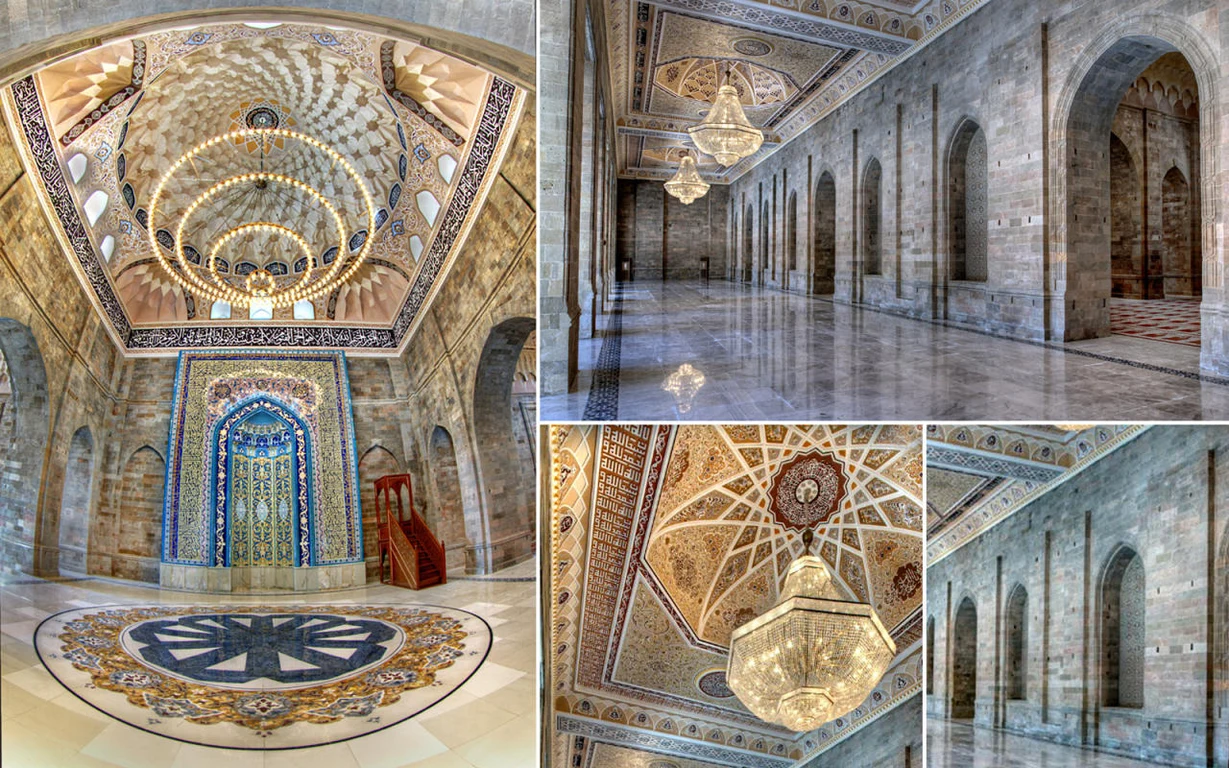
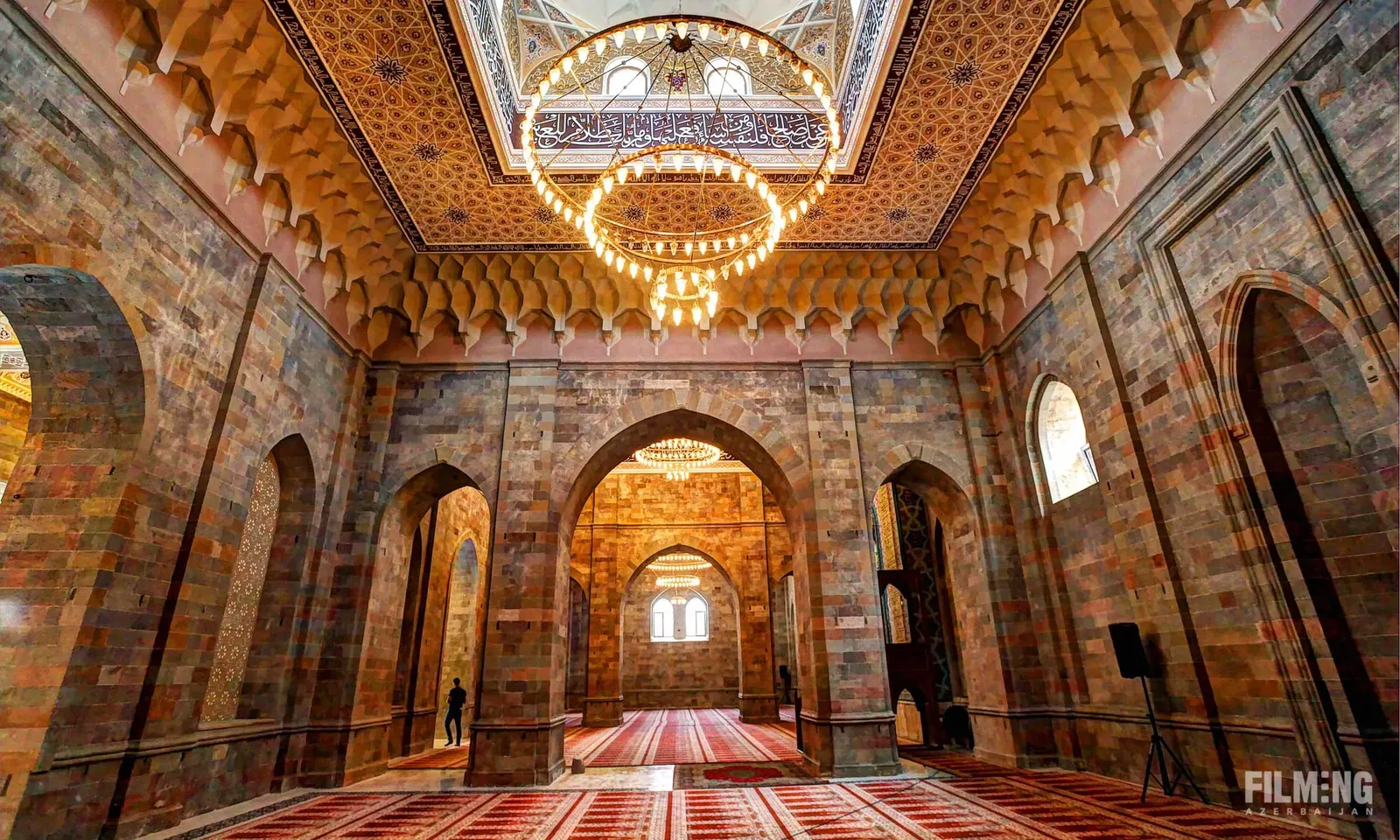
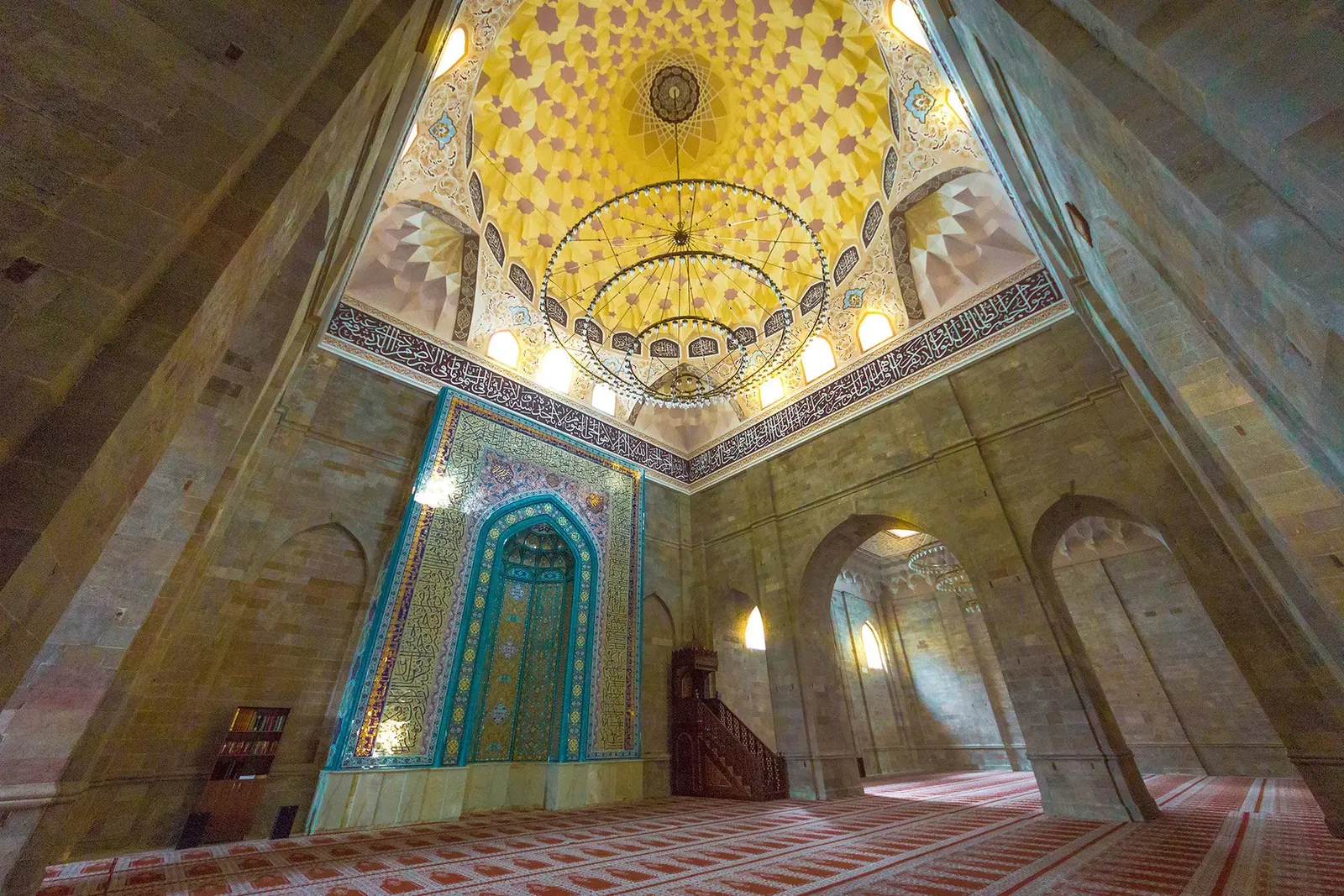
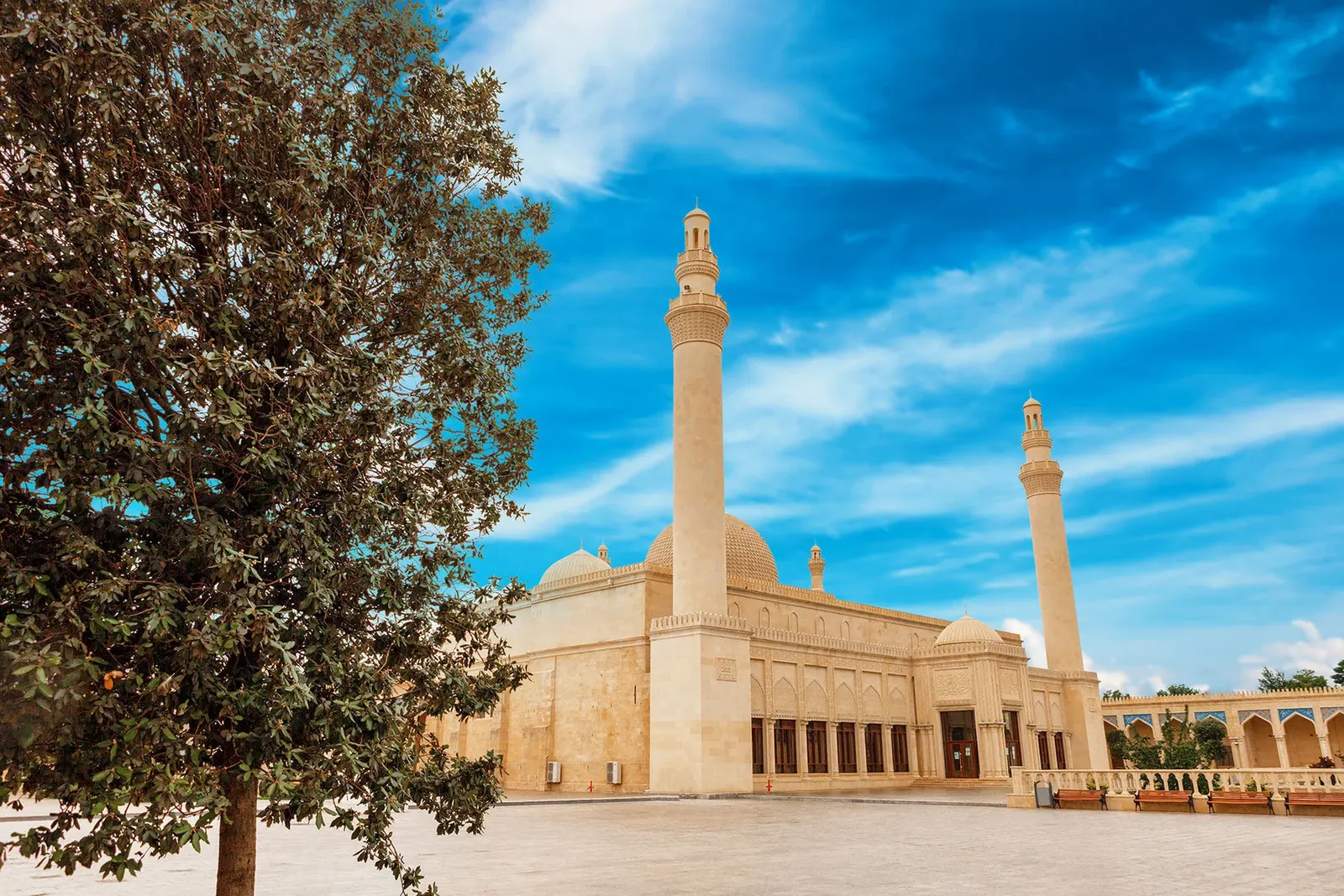
The Juma Mosque in Shamakhi was founded in 743 AD, making it one of the oldest mosques anywhere in the Caucasus. The city was the Shirvanshah capital for centuries and was levelled by earthquakes more than once; the mosque has been rebuilt several times and keeps its unusual original three-hall plan beneath a pair of tall minarets. Your guide explains why so little of medieval Shamakhi survives above ground.
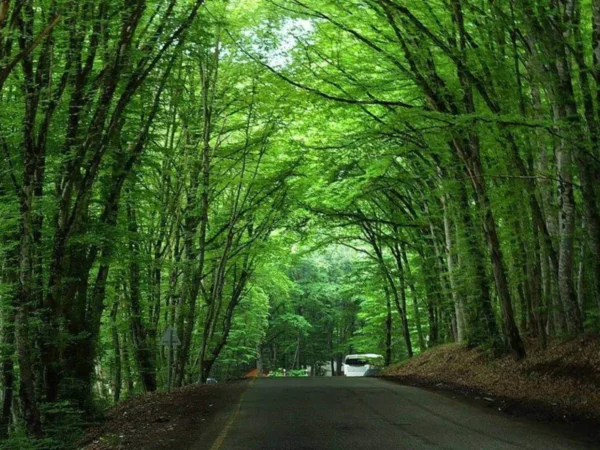
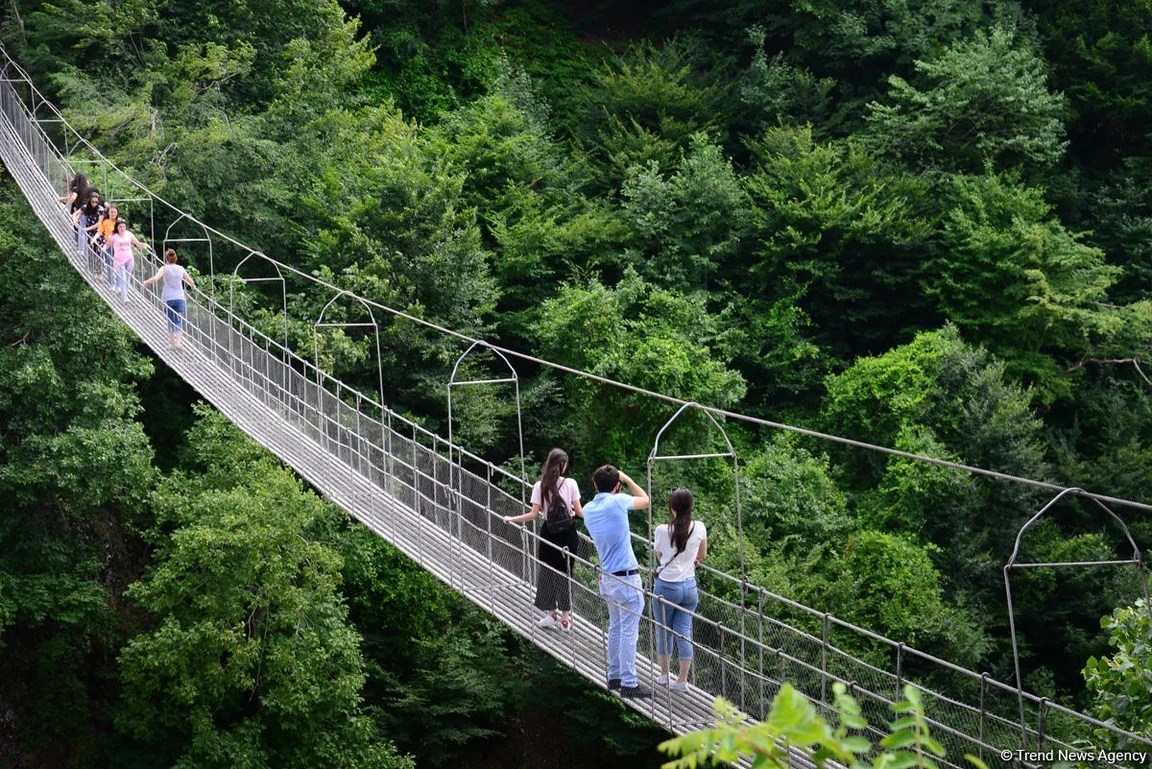
The road then turns north into the Ismayilli district and its beech and oak forest. The Ismayilli hanging bridge is a suspension footbridge strung across a river valley, and crossing it is the point — the deck moves underfoot, the water runs below, and the wooded slopes rise on both sides. It is a short stop, a good one for photographs, and the entrance fee is 5 AZN.
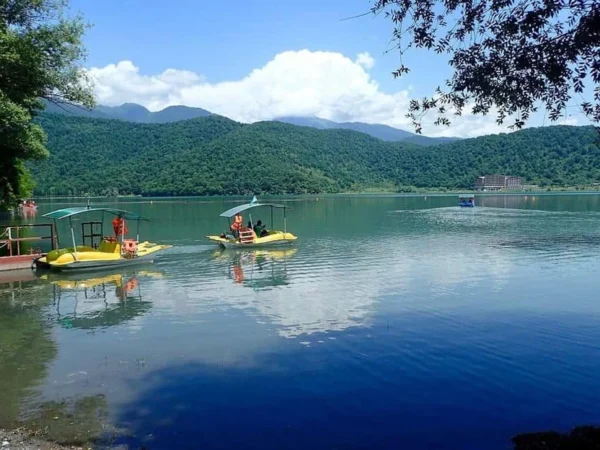
Nohur Lake lies a few kilometres outside the town of Gabala, held in a bowl of forested ridges that give the water its deep green colour. The tree line runs down to the shore and reflects across the surface when the air is still. There is free time here to walk the lakeside path and, in the warmer months, to take a boat out or ride along the shore. Cafés at the water's edge serve tea and grilled food.
Lunch is not included, but the group stops at a local restaurant where you can order at your own cost. The regional kitchen leans towards grilled meat, walnuts, chestnuts and bread baked in a tandir.
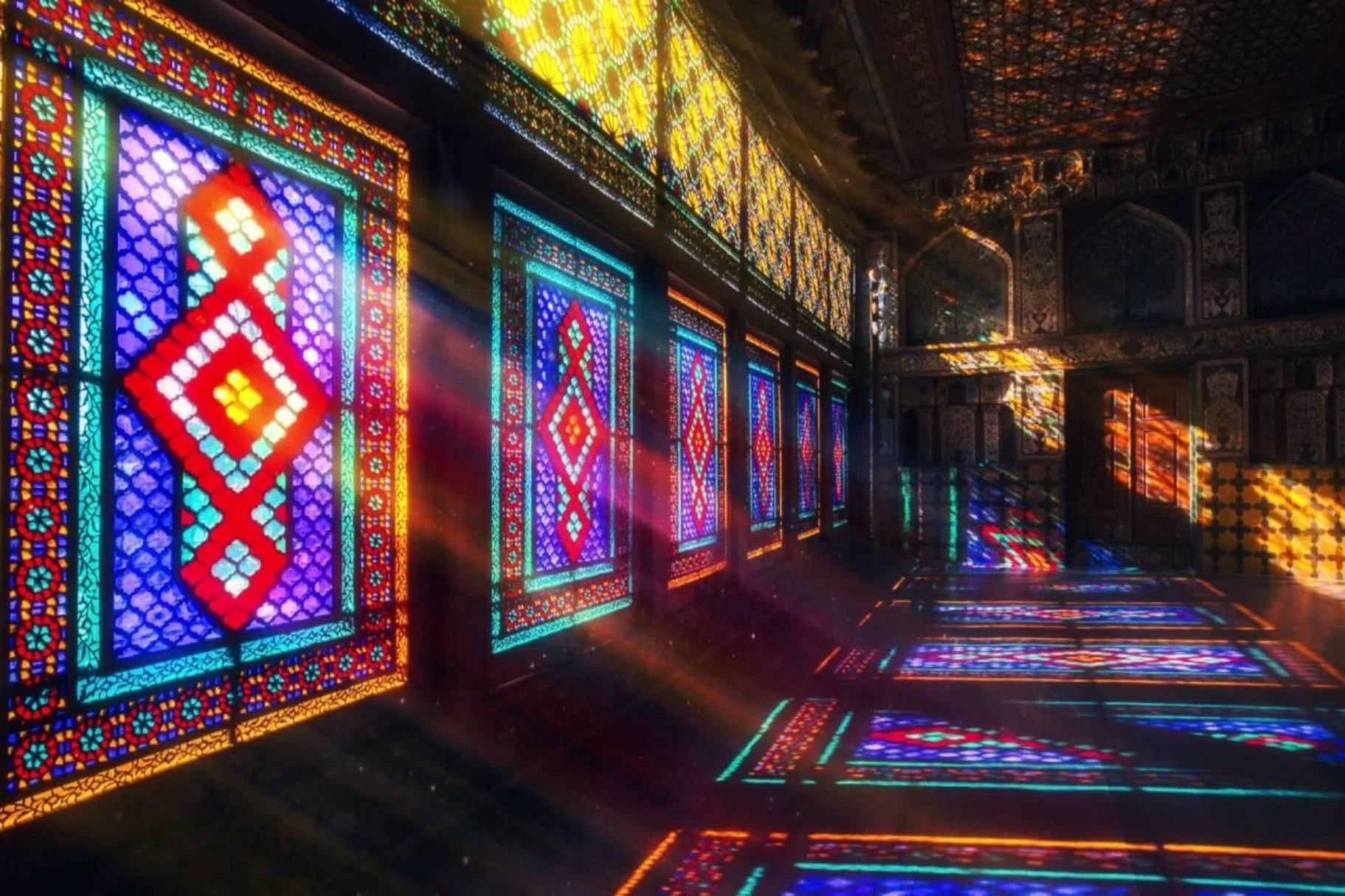
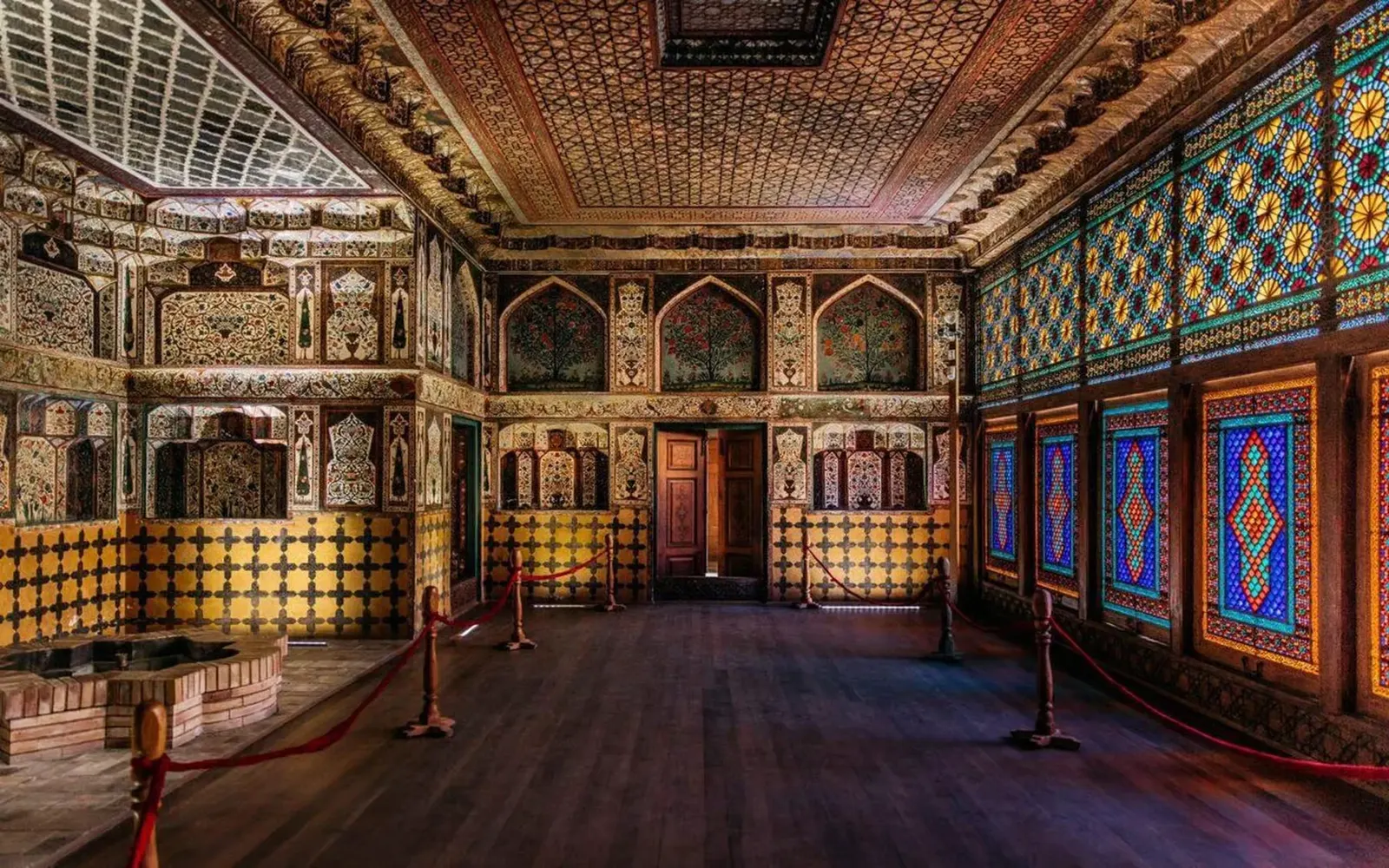
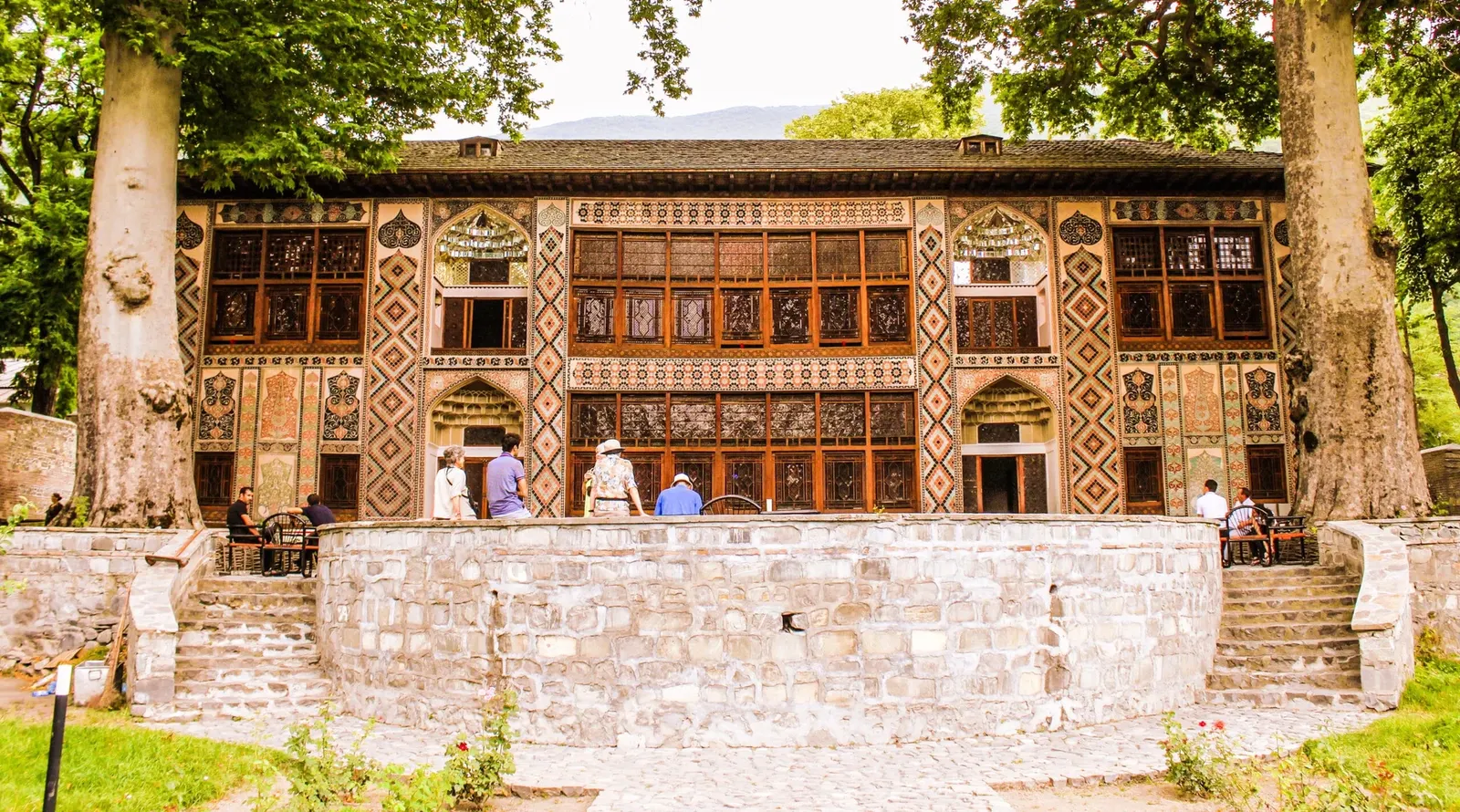
The final region is Sheki, the Silk Road town that grew wealthy on trade and silk weaving. The Palace of Sheki Khans was completed in 1797 as the summer residence of the ruling khans, and it is the single most photographed building in the north. Painted floral and geometric motifs cover the façade; inside, tall shebeke windows filter daylight into colour across the walls. Each window is a lattice of thousands of hand-cut wooden pieces and small panes of Venetian glass, fitted together without glue or a single nail. The Sheki Khan Palace forms part of the city's UNESCO World Heritage listing.
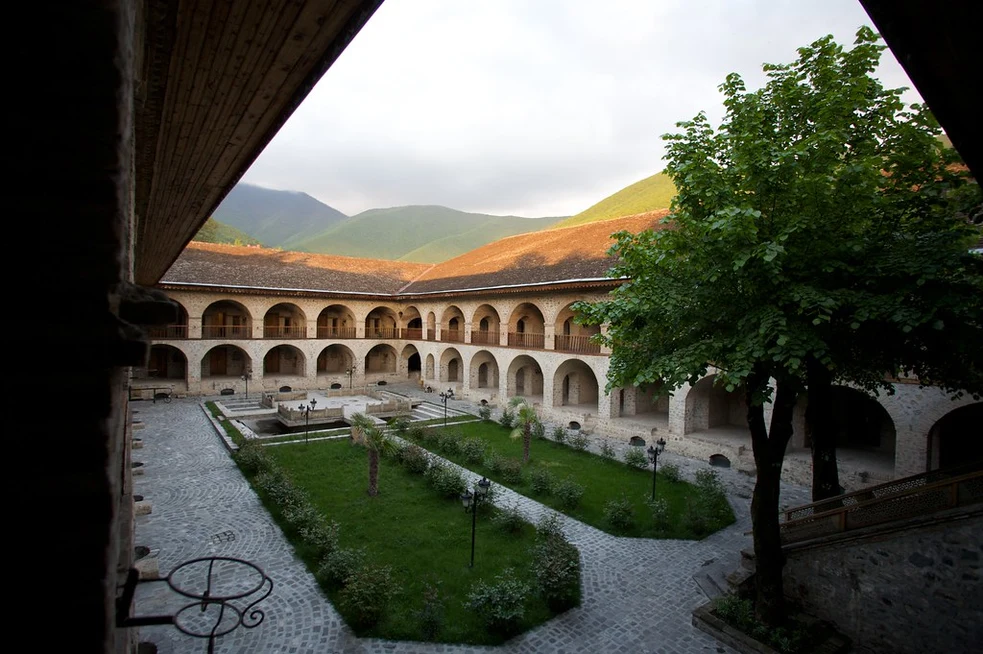
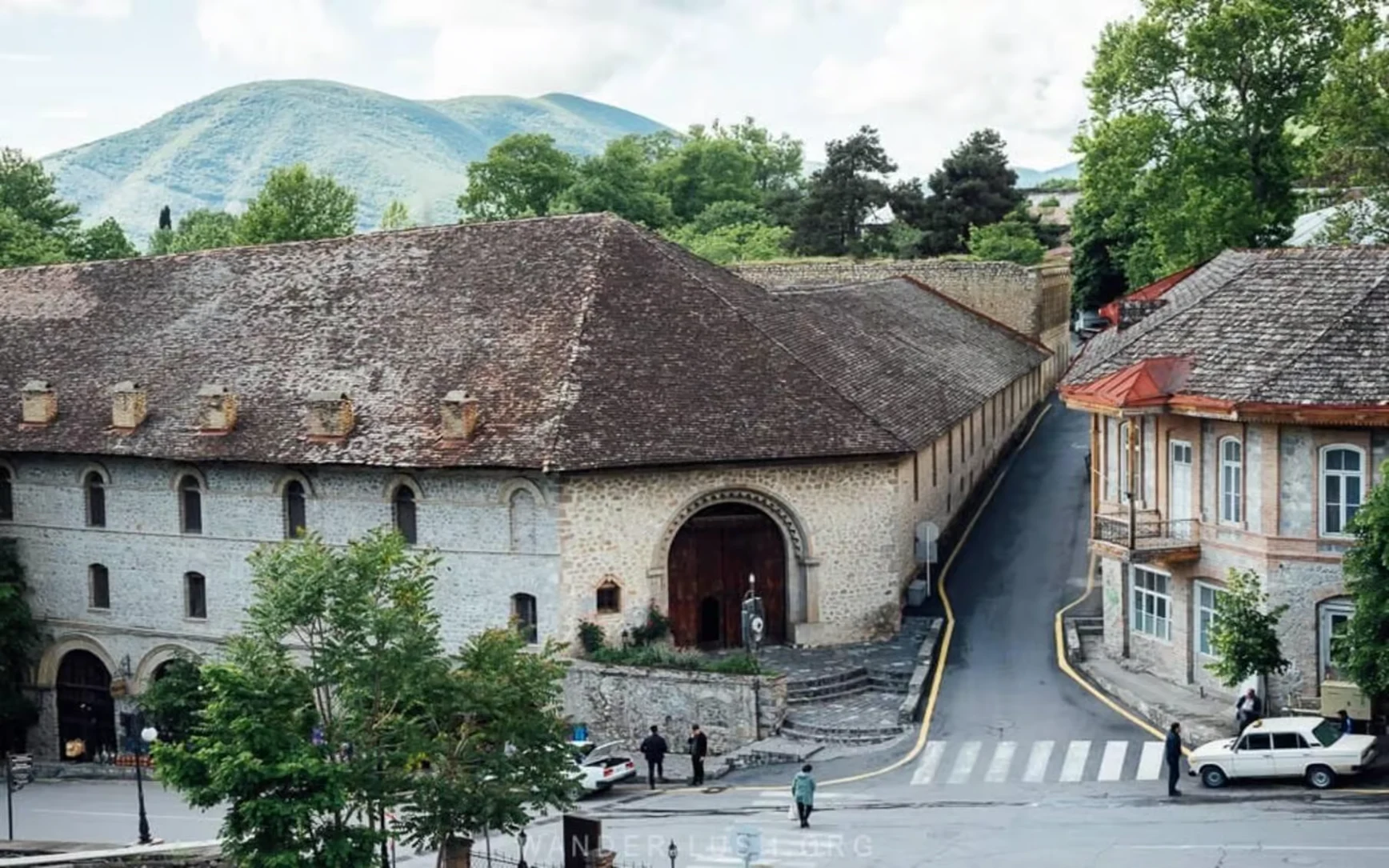
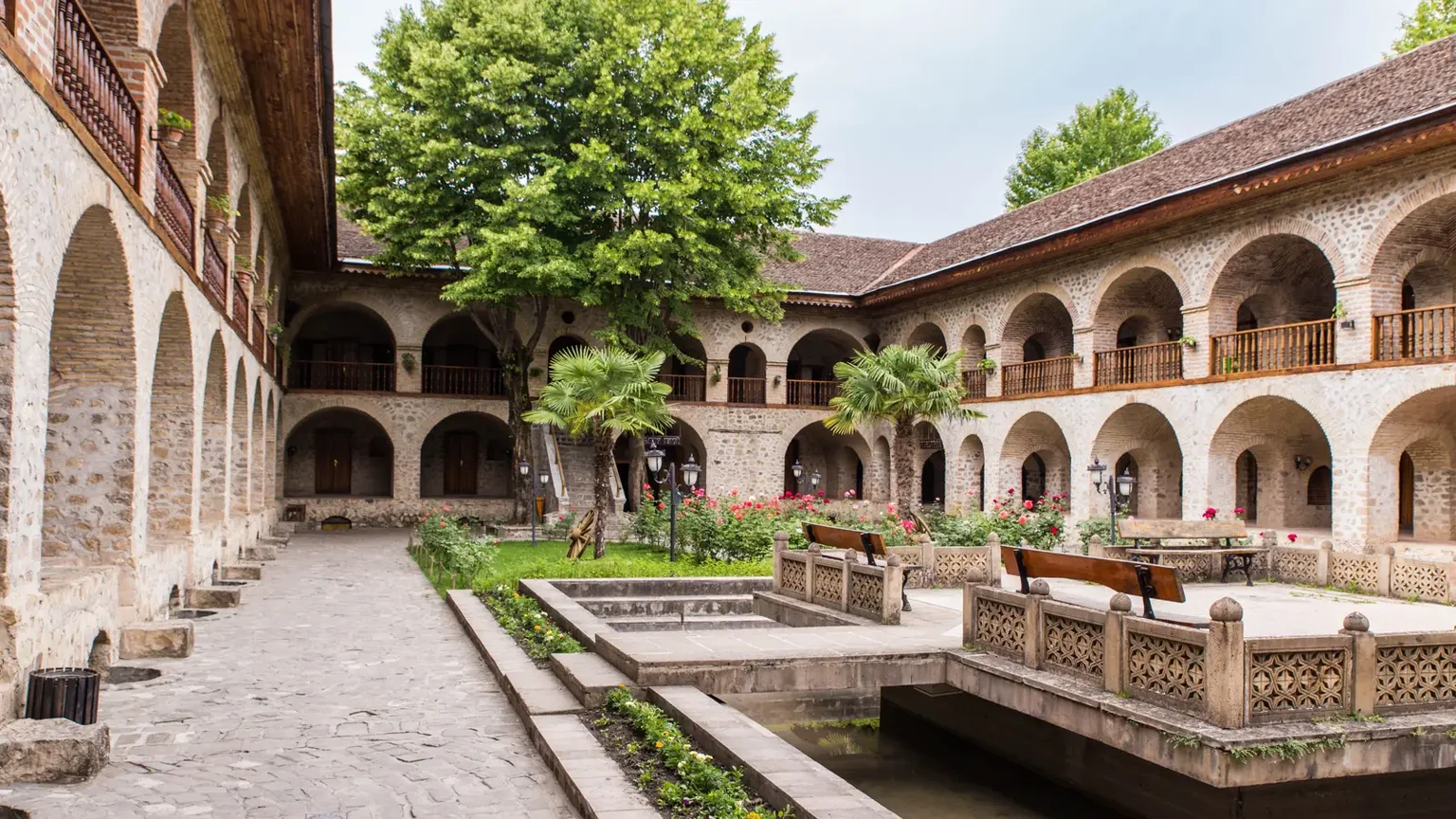
A short walk away stands the Sheki Caravanserai, built in the 18th century to shelter the merchants, camels and cargo moving along the Silk Road. Thick stone walls, vaulted cellars and a quiet inner courtyard were designed for security as much as rest — traders stored goods below and slept above. The caravanserai in Sheki is one of very few in the Caucasus still standing largely intact.
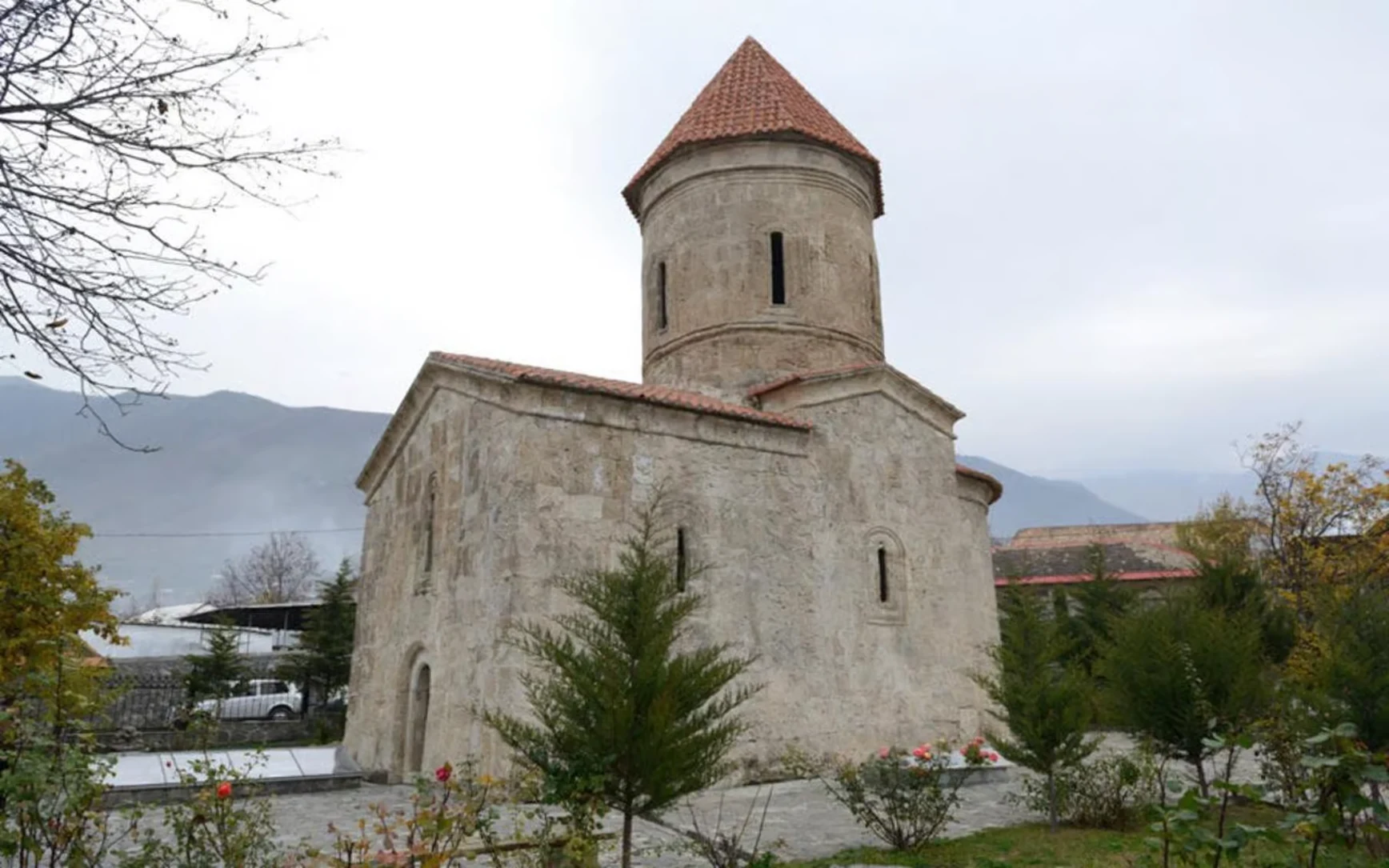
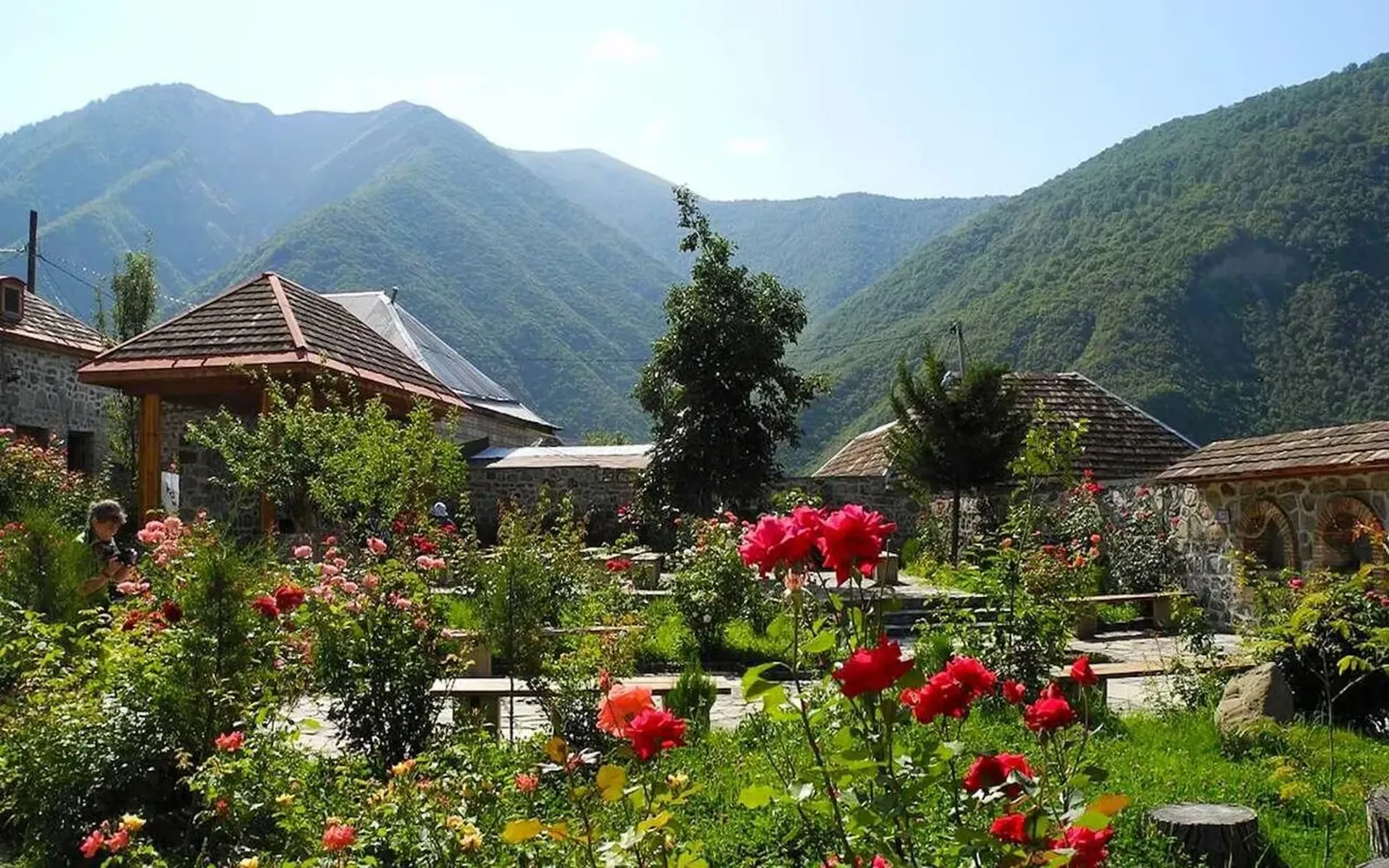
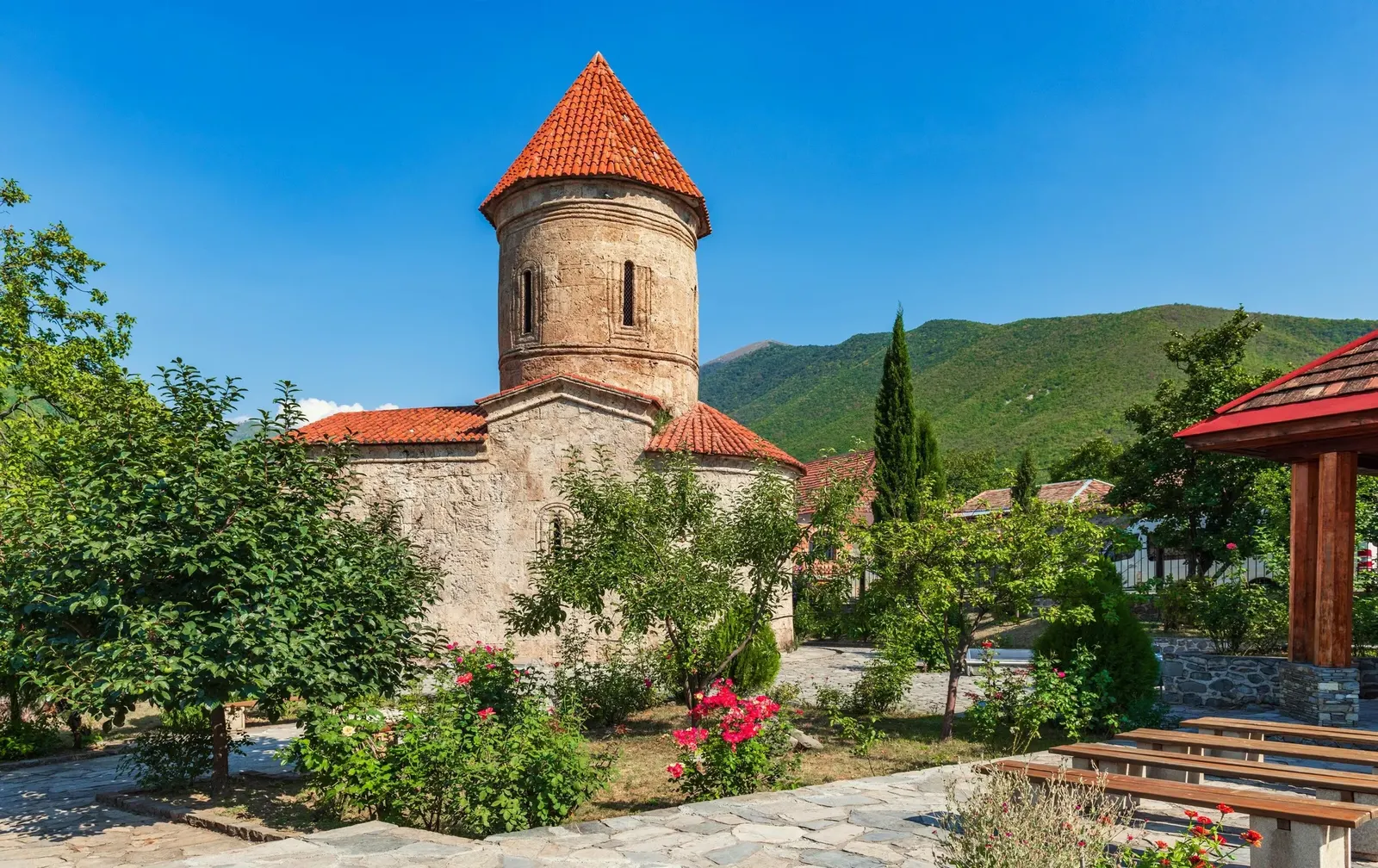
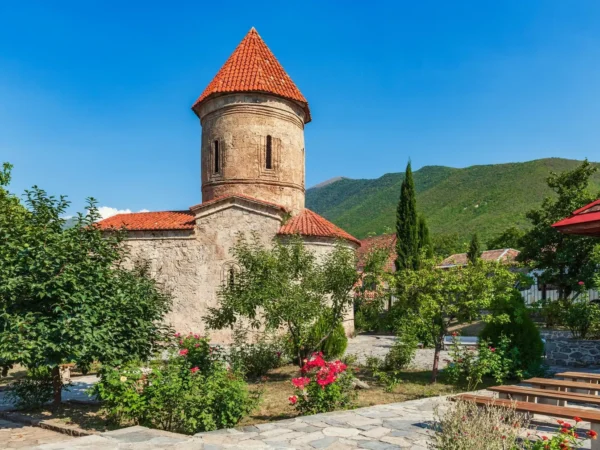
A few kilometres north of the town, in the village of Kish, stands the Kish Albanian Church — a small round-domed stone church tied to the earliest spread of Christianity in the region. Excavations beneath the floor, carried out with Norwegian archaeologists and now displayed under glass, uncovered burials and foundations far older than the building above them. The Church of Kish works as a museum today, and the village setting beneath the mountains is worth the short drive on its own.

Childseat
Have a question before booking? Message us to learn more.
Login to use
Duration
Login to use
Login to use
Login to use