
Loading available options...
Overview
- Tour Type:Group tour
- Language:Arabic, Azerbaijan, English, Italian, Russian, Spanish, Turkish
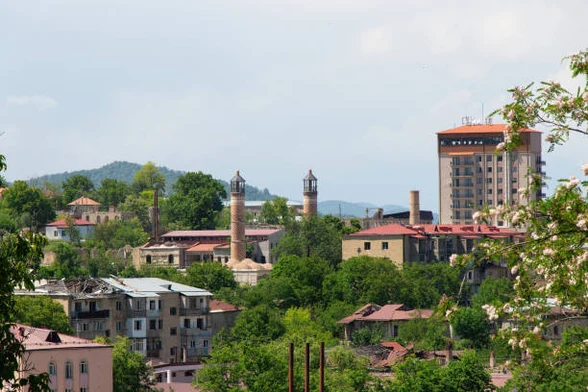
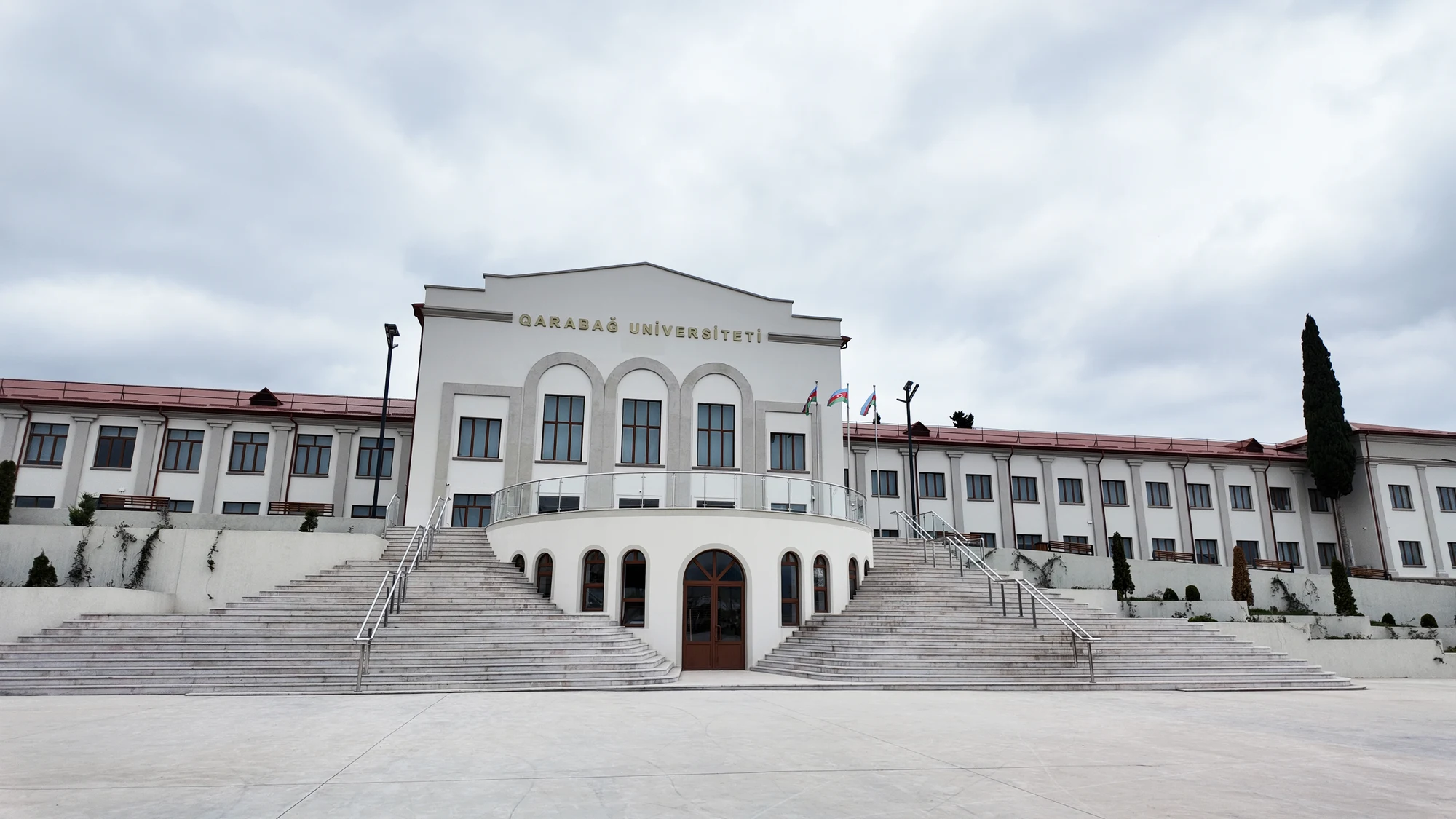
Shusha was founded in 1752 as the capital of the Karabakh Khanate, built on a plateau above a gorge at around 1,400 metres and ringed by fortress walls. It became the cultural centre of the region: the mugham music tradition, and a long line of poets, composers and singers, all trace back to this city. The day covers its fortress, its mosque, the mausoleum of the poet Vagif, the house museum of Khurshidbanu Natavan, and the wide plateau of Jidir Duzu with its views across the mountains.
Travel to the region requires an official permit. We arrange the documentation in advance, and the permit is included in the 139 AZN price along with transport, hotel pickup and a professional guide.
Highlights
- Shusha Fortress — the 18th-century walls and gates of the old city
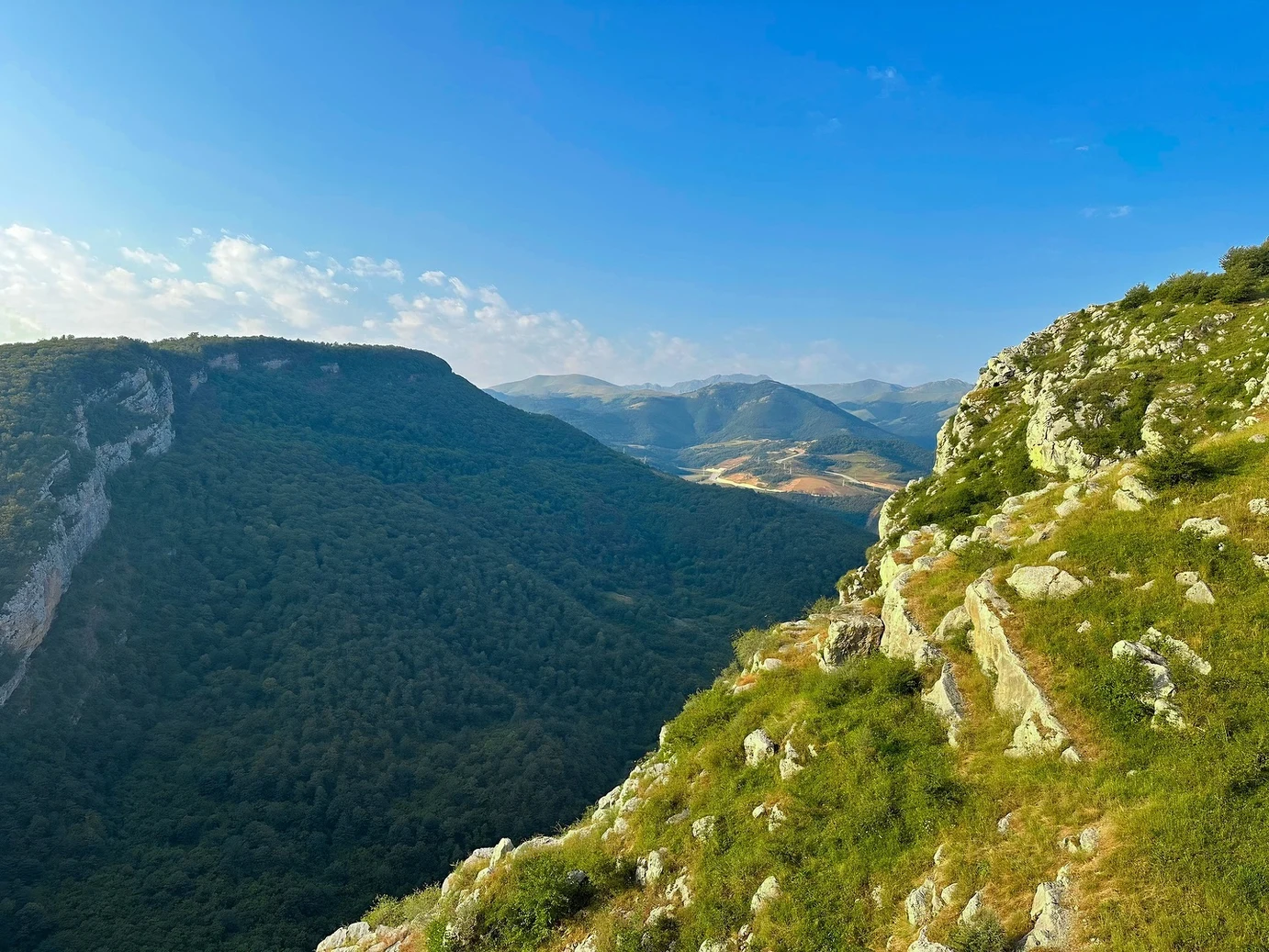
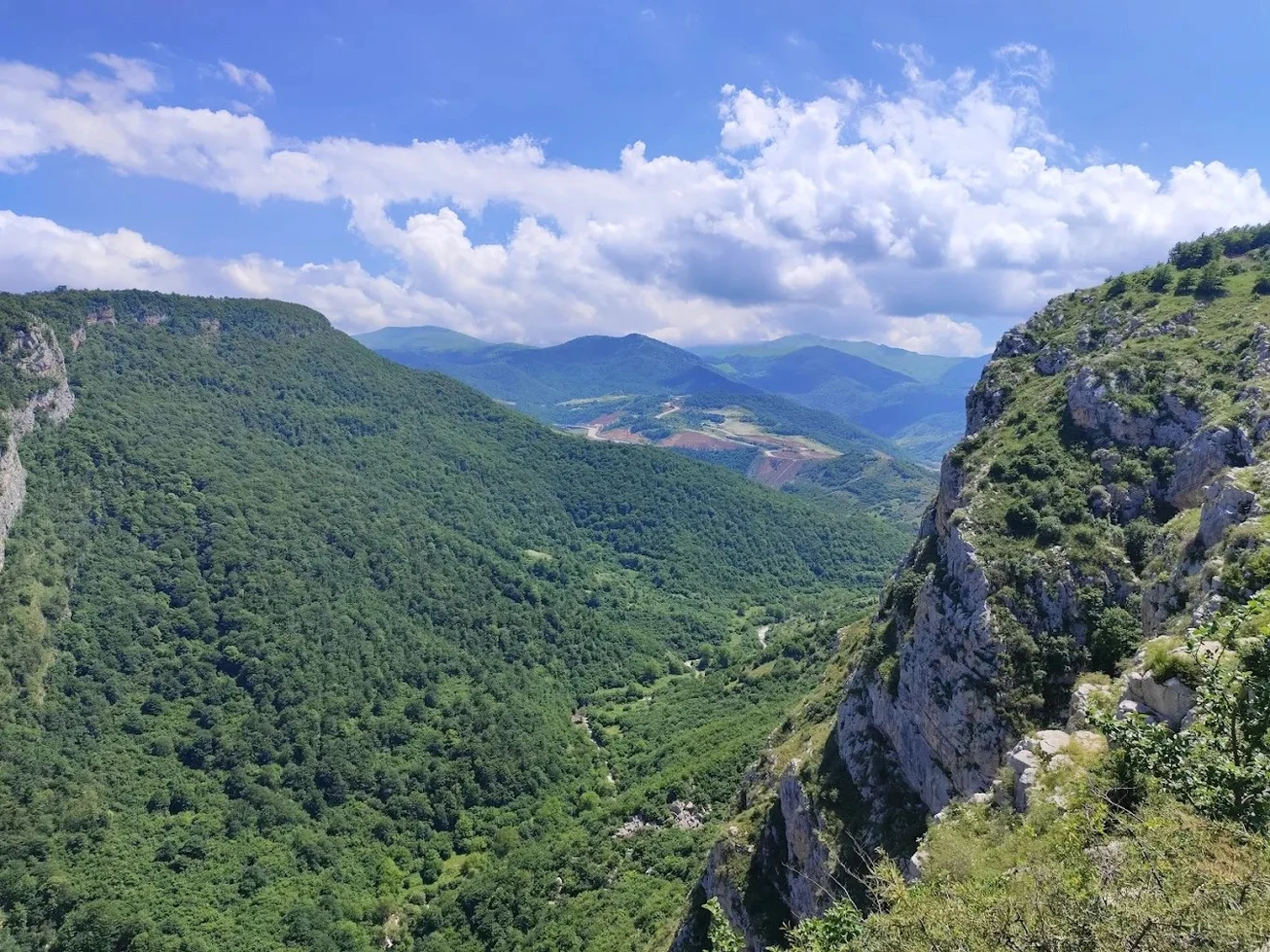
- Jidir Duzu (Jidir Plain) — panoramic plateau above the Dashalti gorge
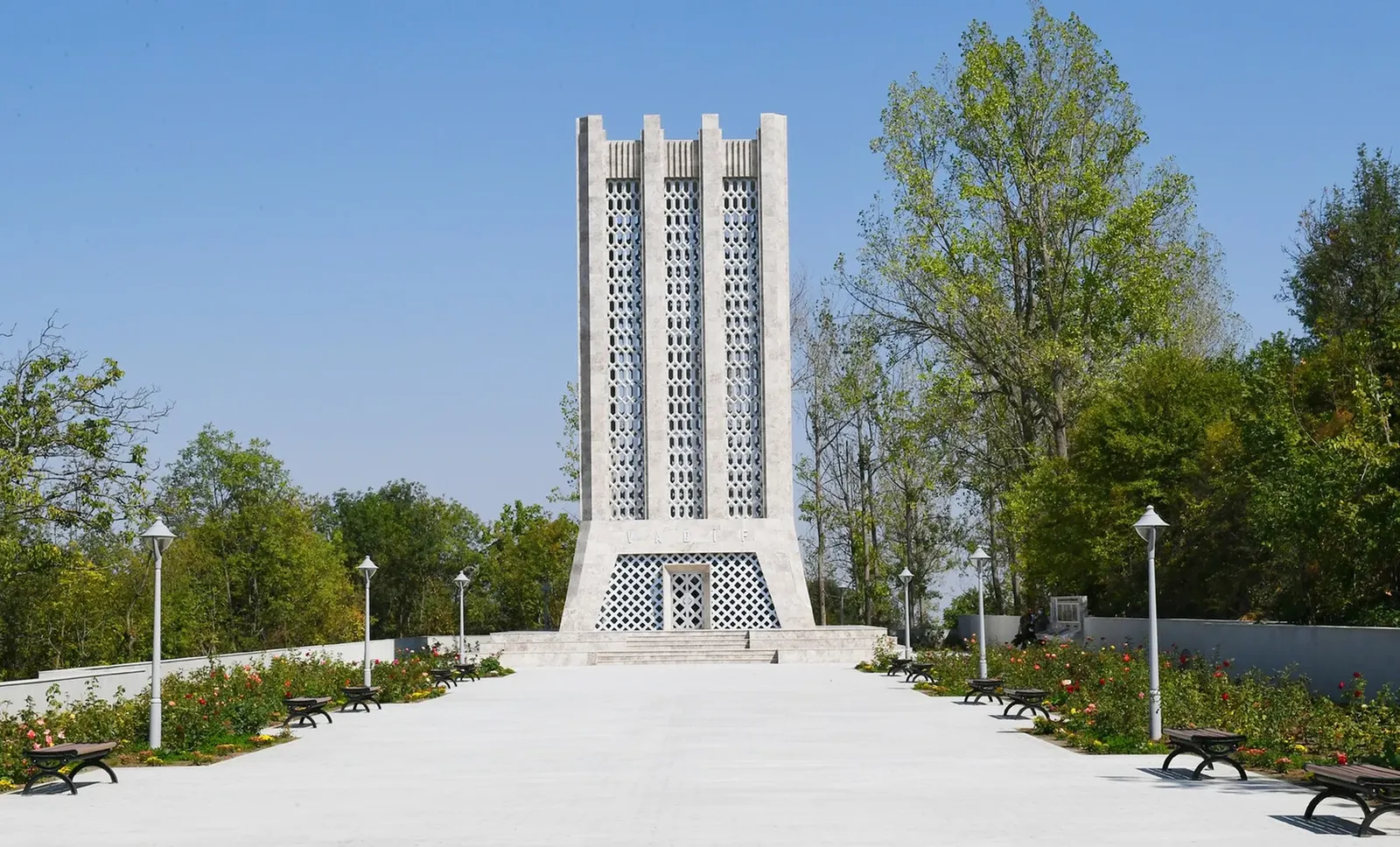
- Molla Panah Vagif Mausoleum — memorial to the 18th-century poet and statesman
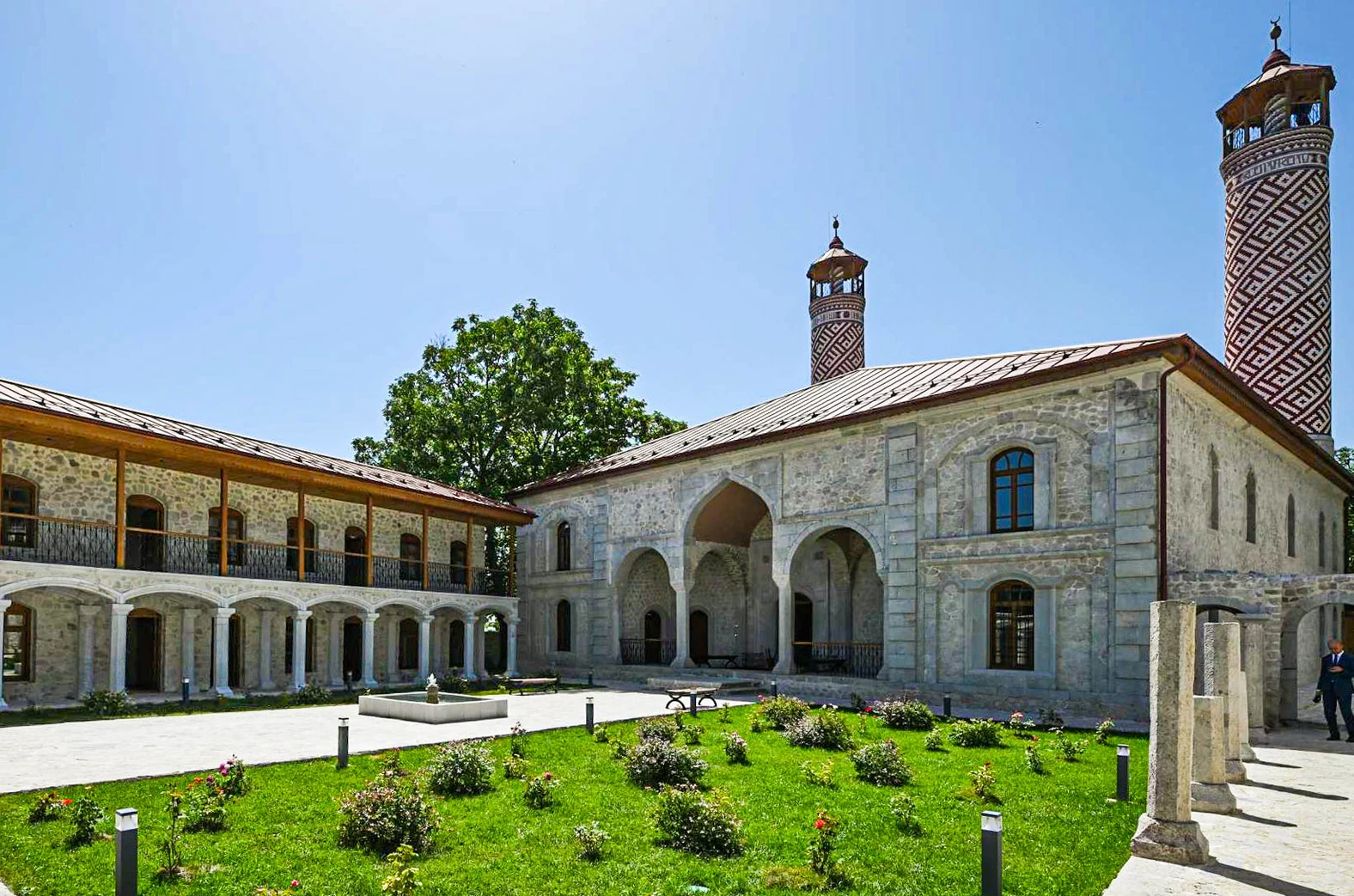
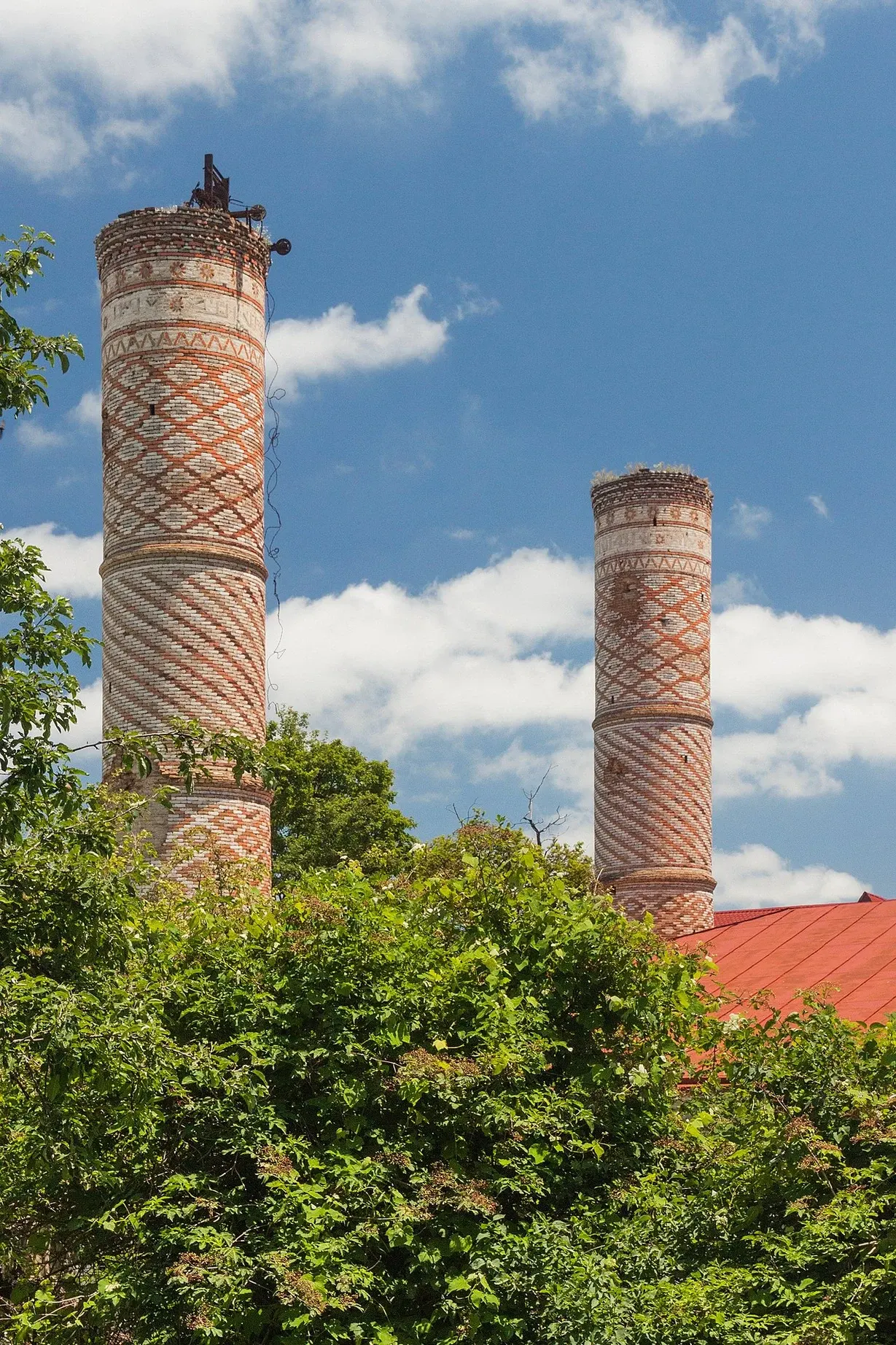
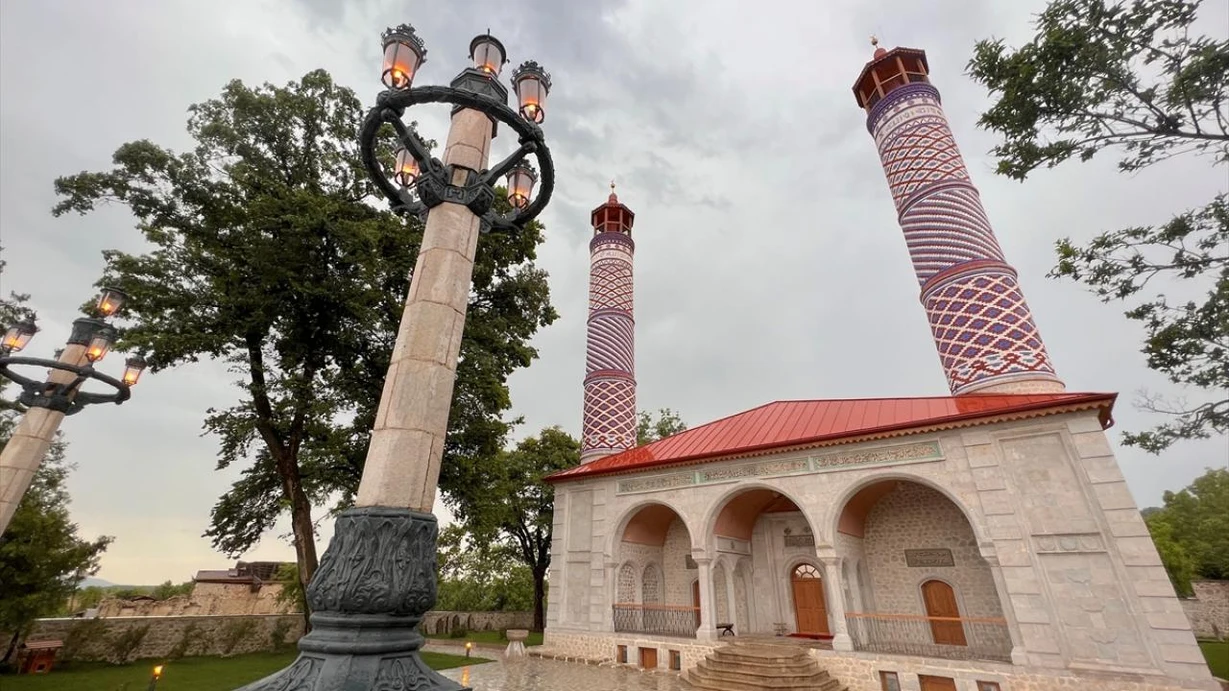
- Govhar Agha Mosque — Shusha's principal historic mosque
- Natavan's House Museum — home of the poet Khurshidbanu Natavan
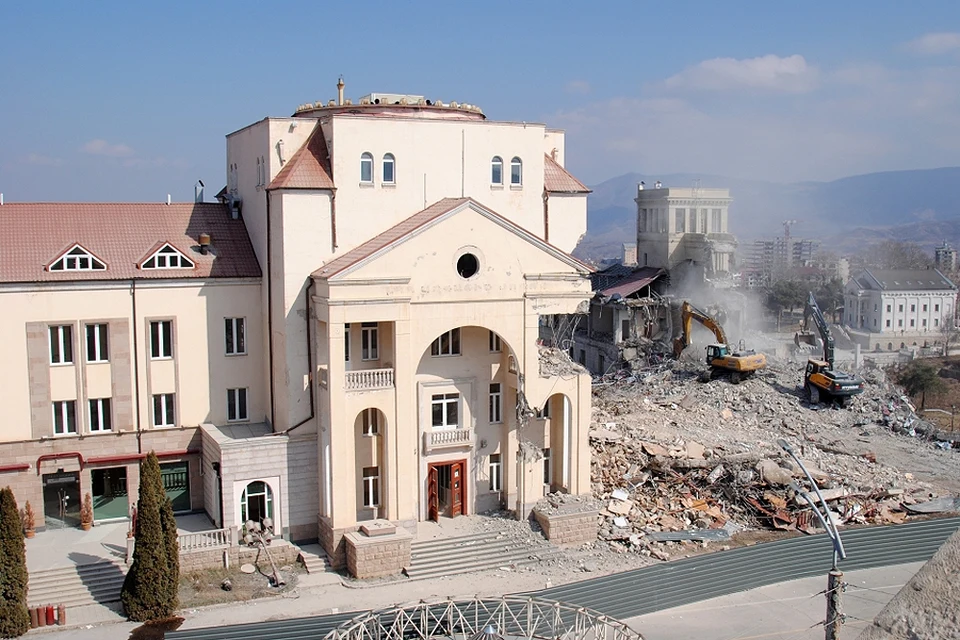
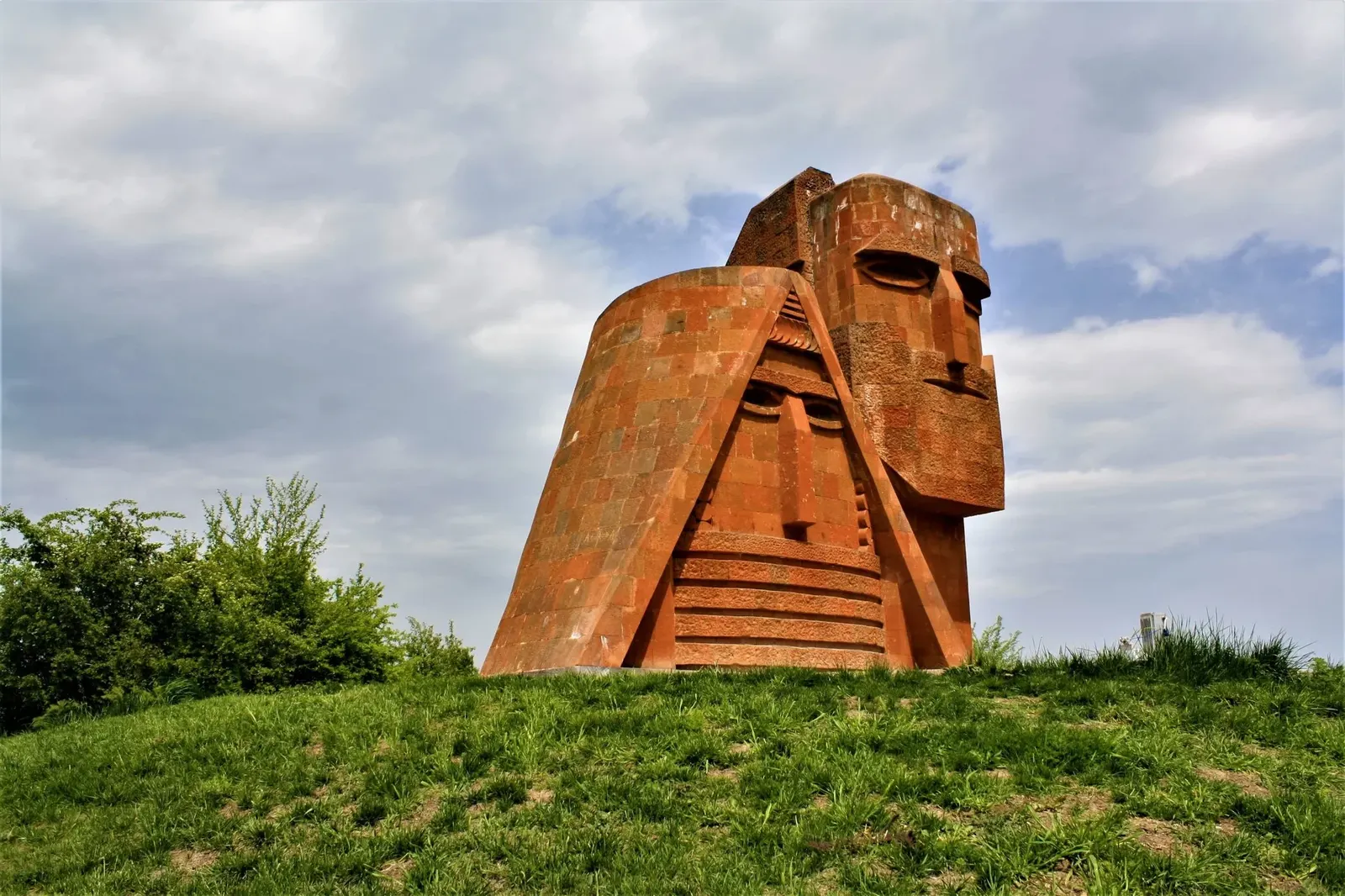
- Khankendi — drive through the city, with the Parliament Building and central landmarks
- Mountain scenery across the Lesser Caucasus on the drive
Includes/Excludes
- Transportation for the full day
- Professional guide
- Travel permit for the region
- Lunch
- Personal expenses
Important information
• Valid identification is required for every participant. Bring your passport or ID card on the day — travel is not possible without it.
• Book well in advance. Travel permits must be arranged before departure, so late bookings cannot always be accepted.
• The itinerary may vary depending on road conditions and current regulations; alternative sites in the region are included where access is restricted.
• Shusha sits at around 1,400 metres and is considerably cooler than Baku — bring a jacket in any season.
• Comfortable walking shoes are recommended; the ground at the historic sites is uneven.
• Modest dress is expected at the mosque, and women should bring a scarf to cover their head.
• Photography may be restricted in certain areas; please follow your guide’s instructions.
Cancellation policy
Itinerary
Pick up from 191 Lev Tolstoy Street, Baku
Shusha Fortress
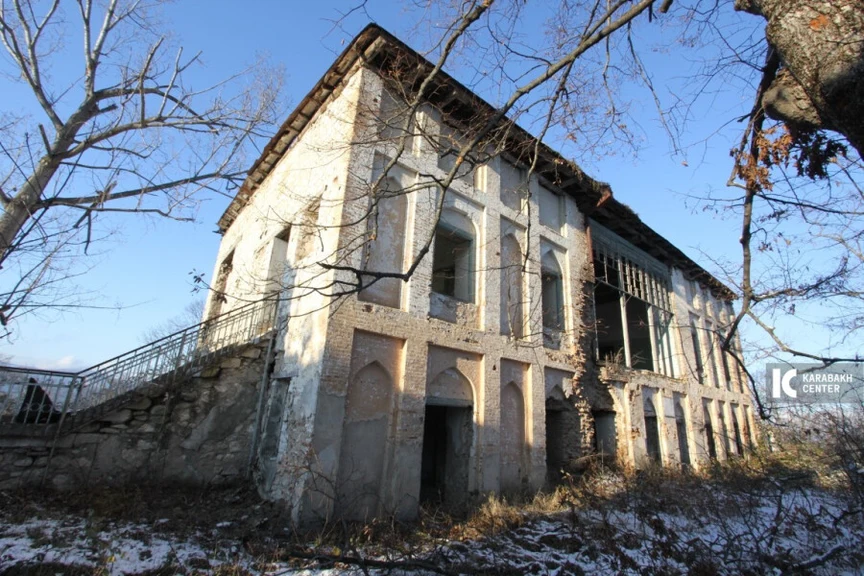
The city is entered through its historic walls. Shusha Fortress was begun in 1752 by Panah Ali Khan, founder of the Karabakh Khanate, who chose the site for its natural defences — a plateau protected by cliffs on three sides. Long stretches of the wall and several of the gates survive, and your guide explains how the fortifications shaped the city that grew inside them.
Jidir Duzu
Jidir Duzu, the "Plain of Riding", is a flat expanse on the edge of the plateau that was historically used for horse racing and public festivals. It is best known now for the view: the ground simply ends, dropping into the Dashalti gorge with the mountains of Karabakh rising beyond. This is the photograph everyone takes.
Molla Panah Vagif Mausoleum
Molla Panah Vagif was an 18th-century poet who also served as vizier to the khan — a rare combination of literary and political importance. His work shaped the direction of Azerbaijani poetry, moving it towards everyday language. The mausoleum stands on high ground near the edge of the plateau.
Govhar Agha Mosque
The Govhar Agha Mosque is the main historic mosque of Shusha, built in the 19th century in its present form by the architect Karbalayi Safikhan Karabakhi and named after Govhar Agha, the khan's daughter who funded it. Its twin brick minarets, decorated with patterned tilework, are among the most recognisable structures in the city.
Natavan's House Museum
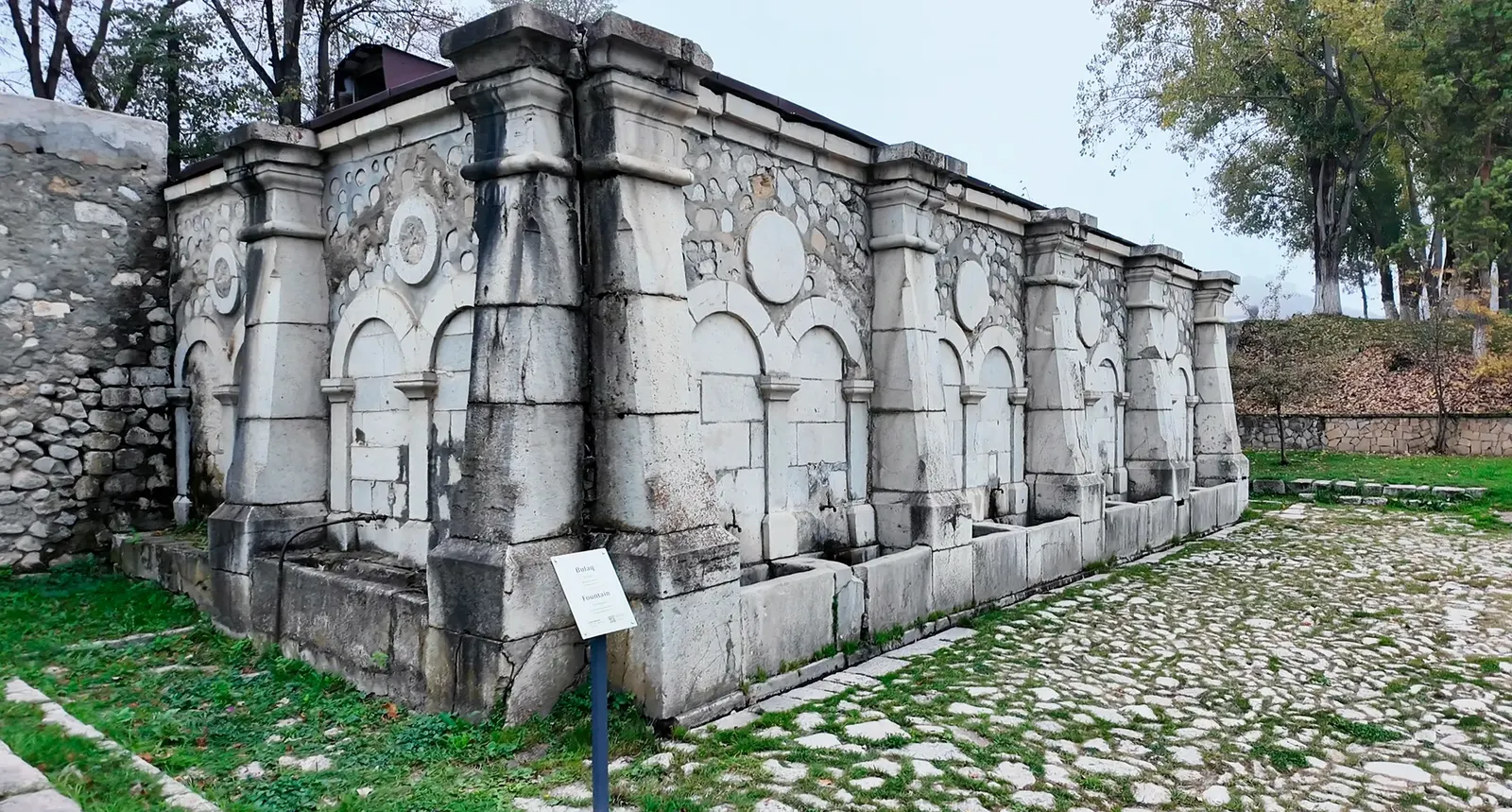
Khurshidbanu Natavan was a 19th-century poet and the daughter of the last khan of Karabakh. She is remembered both for her poetry and for public works in the city, including the water supply she funded. The house museum covers her life, her writing and the literary circle that formed around her.
Khankendi
The route continues to Khankendi, the largest city in the region. The tour drives through the centre and past the main landmarks, including the Parliament Building and the Nana Baba monument, with commentary from your guide along the way.
Lunch Stop
Lunch is not included, but the group stops at a local restaurant where you can order and pay for your own meal.
Drop off at 191 Lev Tolstoy Street, Baku
Frequently asked questions
Is special permission required for a Karabakh tour?
What documents do I need to bring?
How far is Karabakh from Baku?
Is it safe to travel to Karabakh?
Can tourists visit Shusha now?
Is this a historical or a nature tour?
Is lunch included?
Is this tour physically demanding?
Is this tour suitable for children and older travellers?
Can the itinerary change?
Extra Services

Childcare services
Childseat
Drop-off service
Guide in Arabic
Guide in Chinese
Guide in Hebrew
Guide in Italian
Guide in Korean
Guide in Spanish
Pick-up service
Make enquiry
Have a question before booking? Message us to learn more.
Why booking with Tripstan?
You might also like...
Login to use
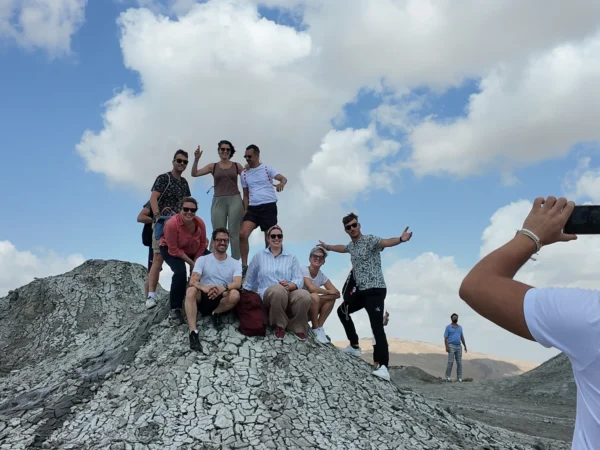
Private Gobustan and Absheron Tour from Baku – Mud Volcanoes, Fire Temple & Yanardag
Duration
Login to use
Login to use

Login to use
Login to use
Private Shahdili – Absheron Tour from Baku | Coastal & National Park Experience
Duration