Loading available options...
Overview
- Tour Type:Group tour
- Language:Arabic, Azerbaijan, English, Italian, Russian, Spanish, Turkish
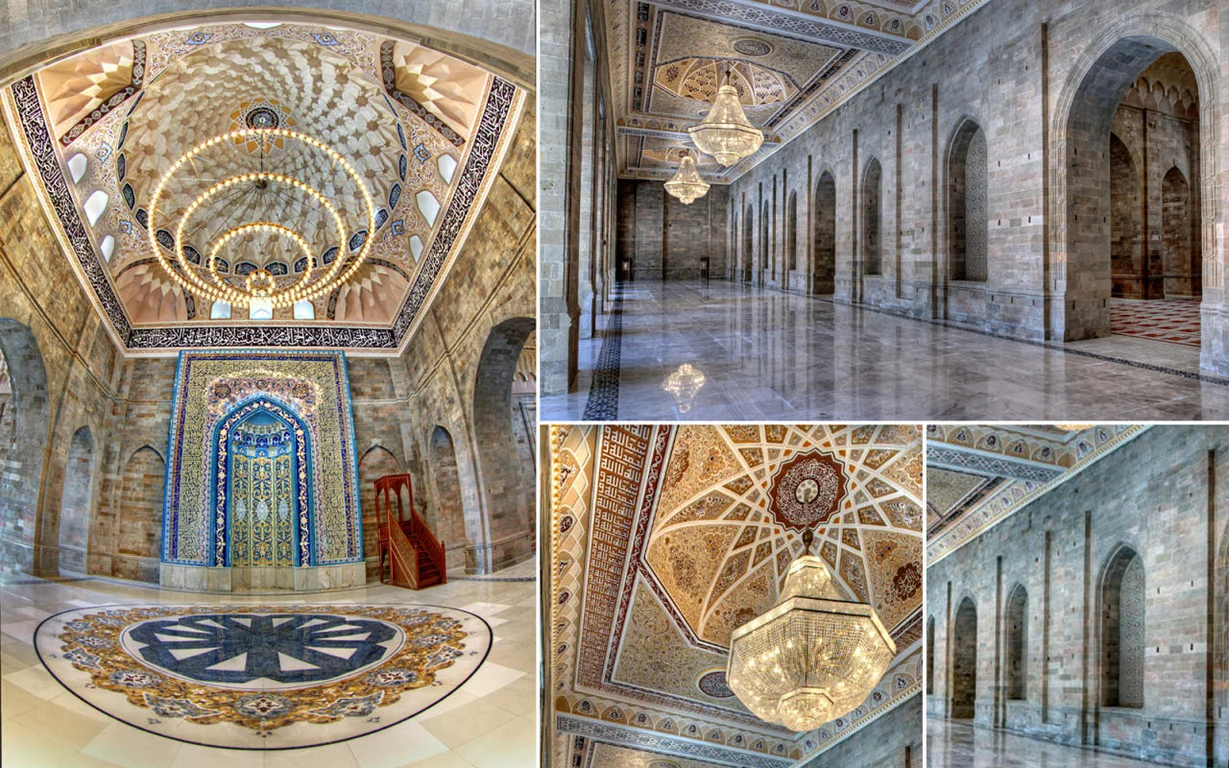
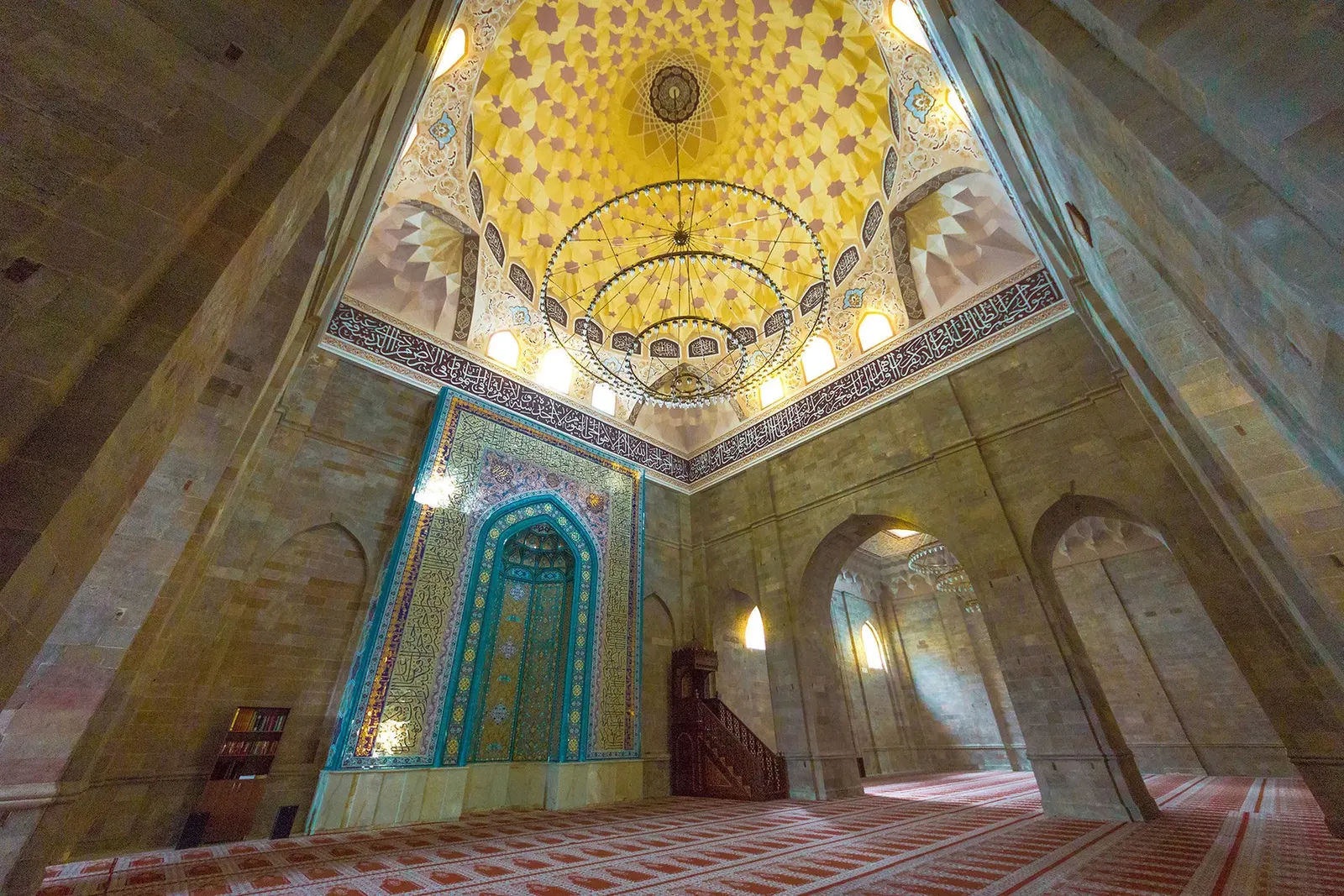
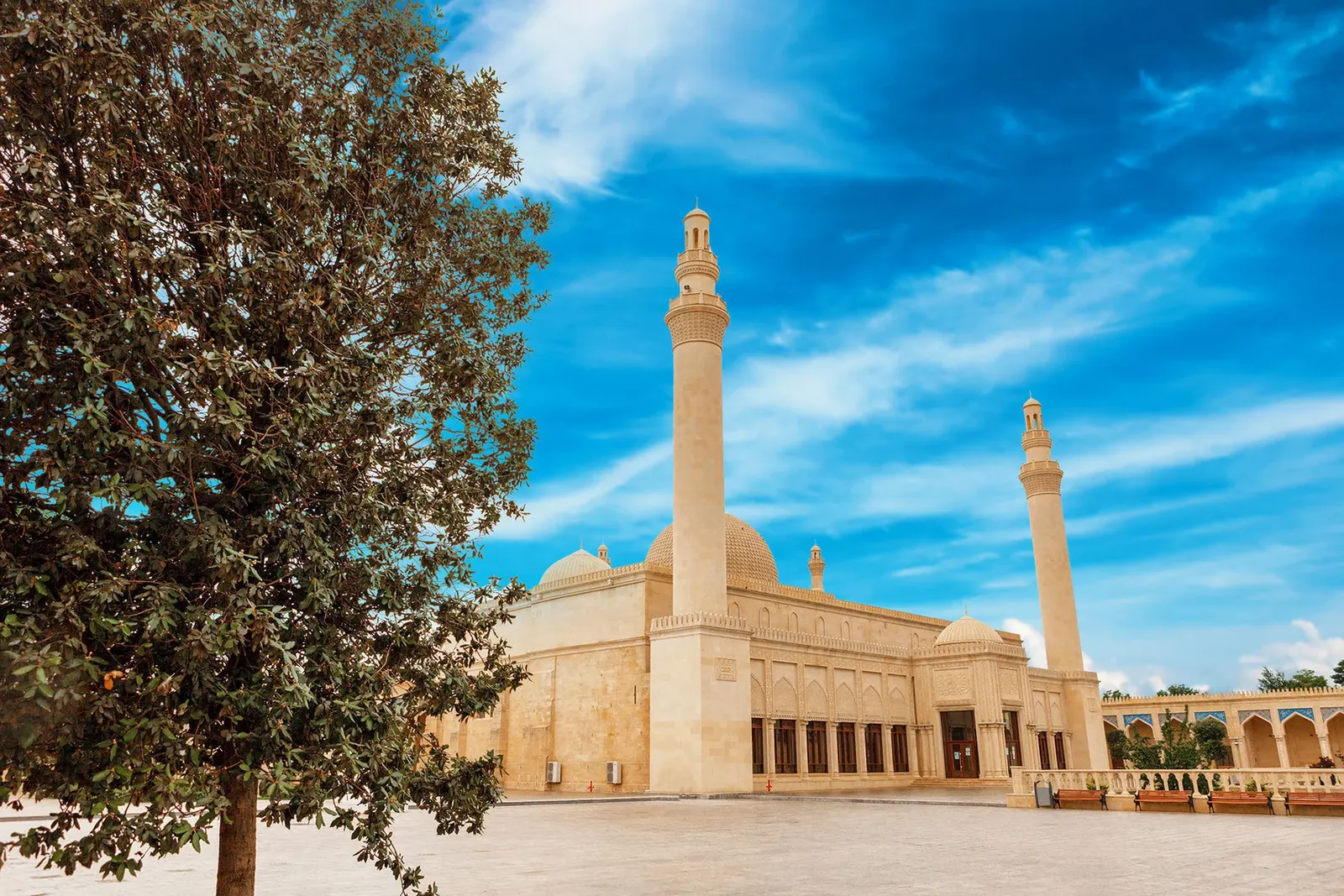
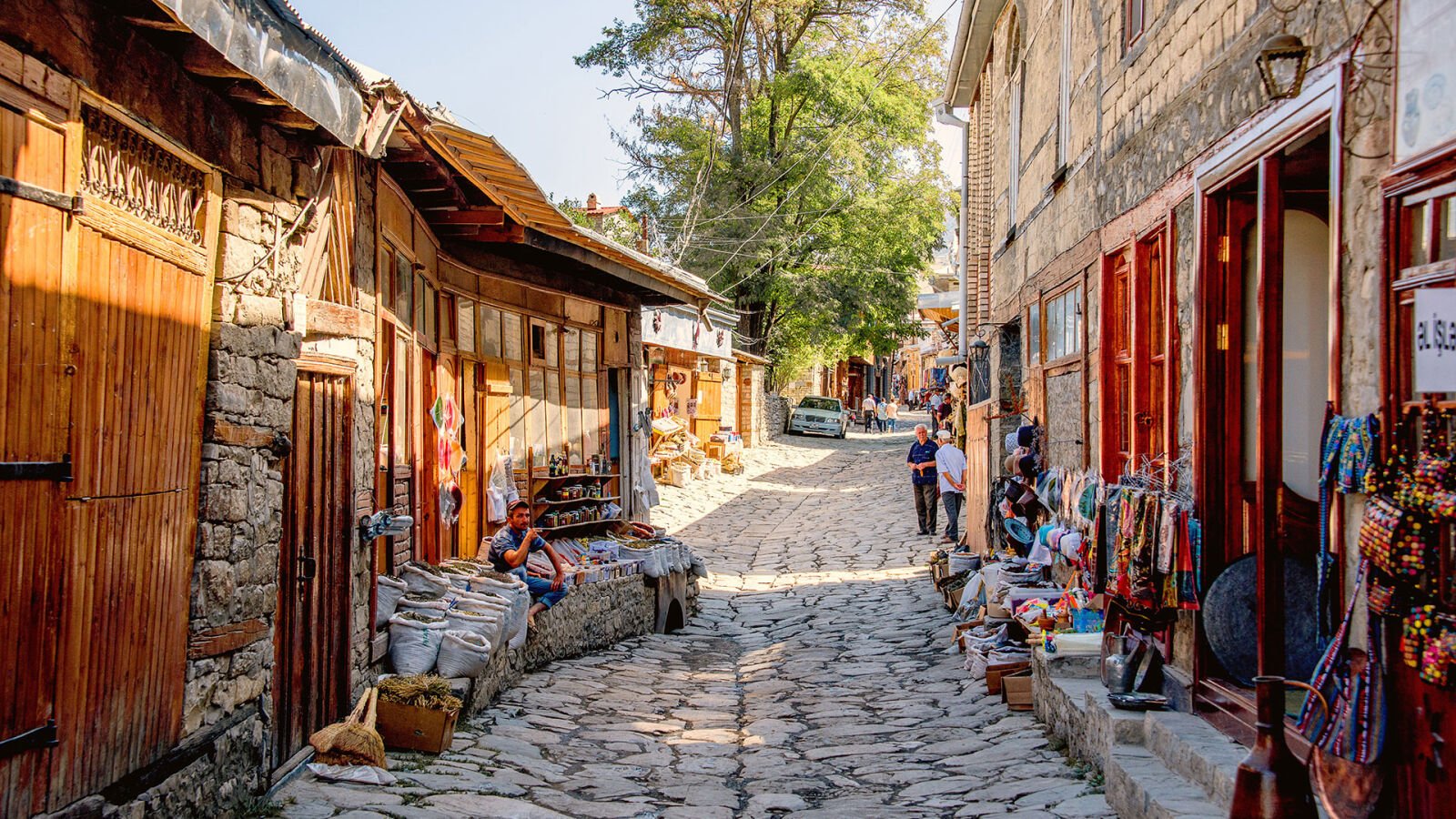
Shamakhi was the capital of the Shirvanshah dynasty for centuries, and the Juma Mosque at its centre has stood on the same site since the eighth century. From there the road climbs into the Ismayilli district and along the Girdiman river gorge to Lahij, a stone village at around 1,200 metres where coppersmiths still work in open-fronted workshops along the main street.
A professional guide travels with the group throughout, and hotel pickup and drop-off in Baku are included in the 75 AZN price.
Highlights
- Juma Mosque in Shamakhi — founded in 743, one of the oldest mosques in the Caucasus
- Chukhuryurd Lake — photo stop at a quiet lake surrounded by mountains
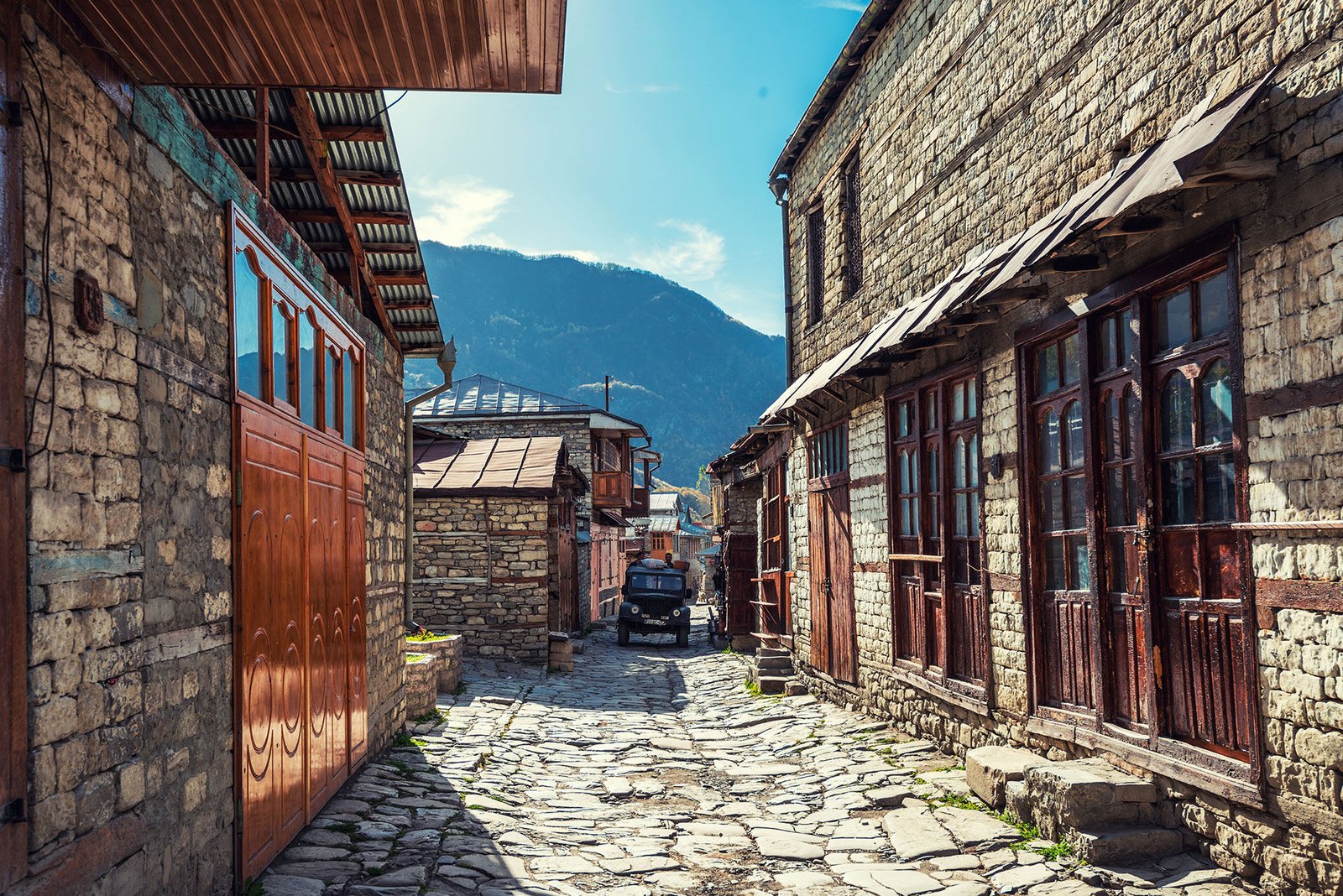
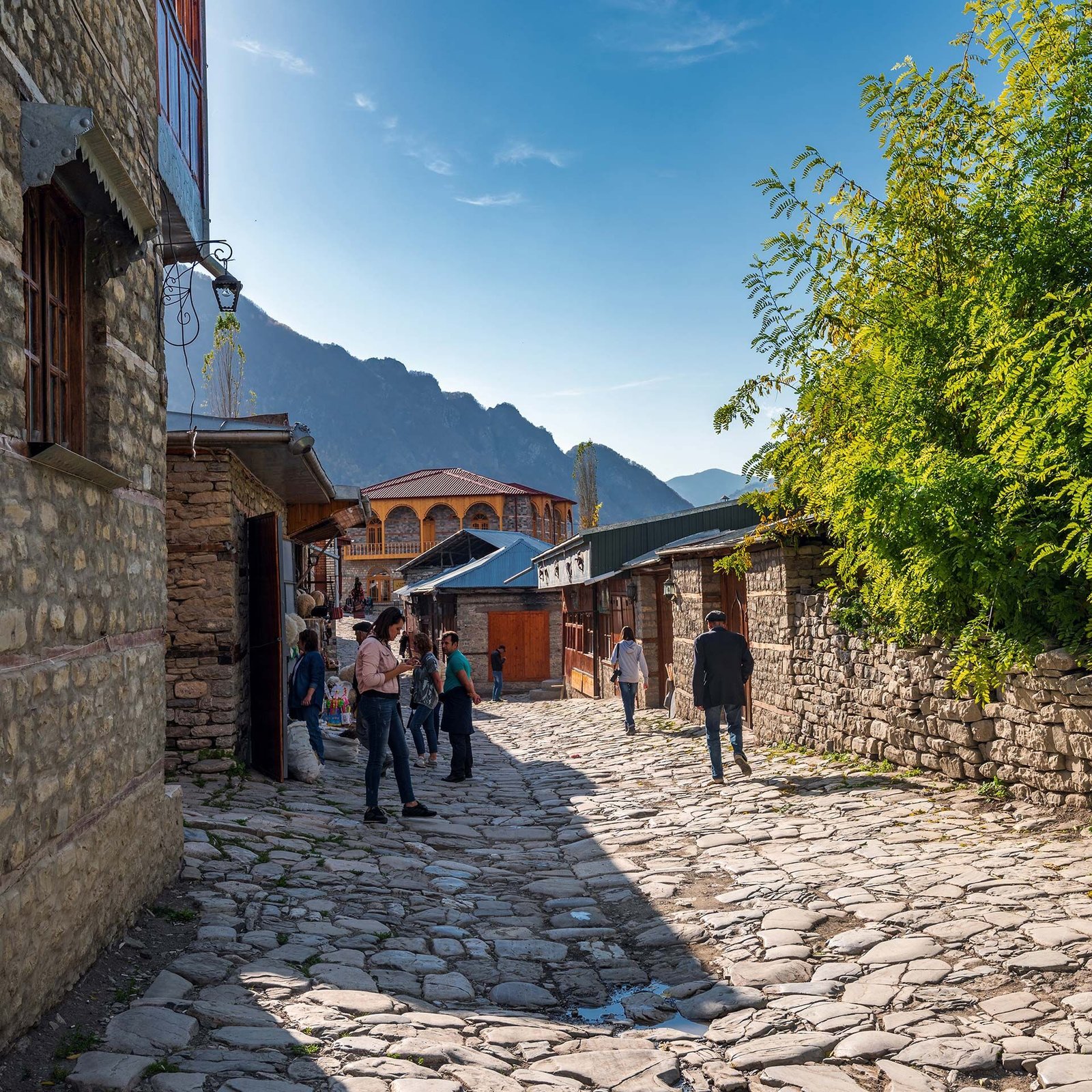
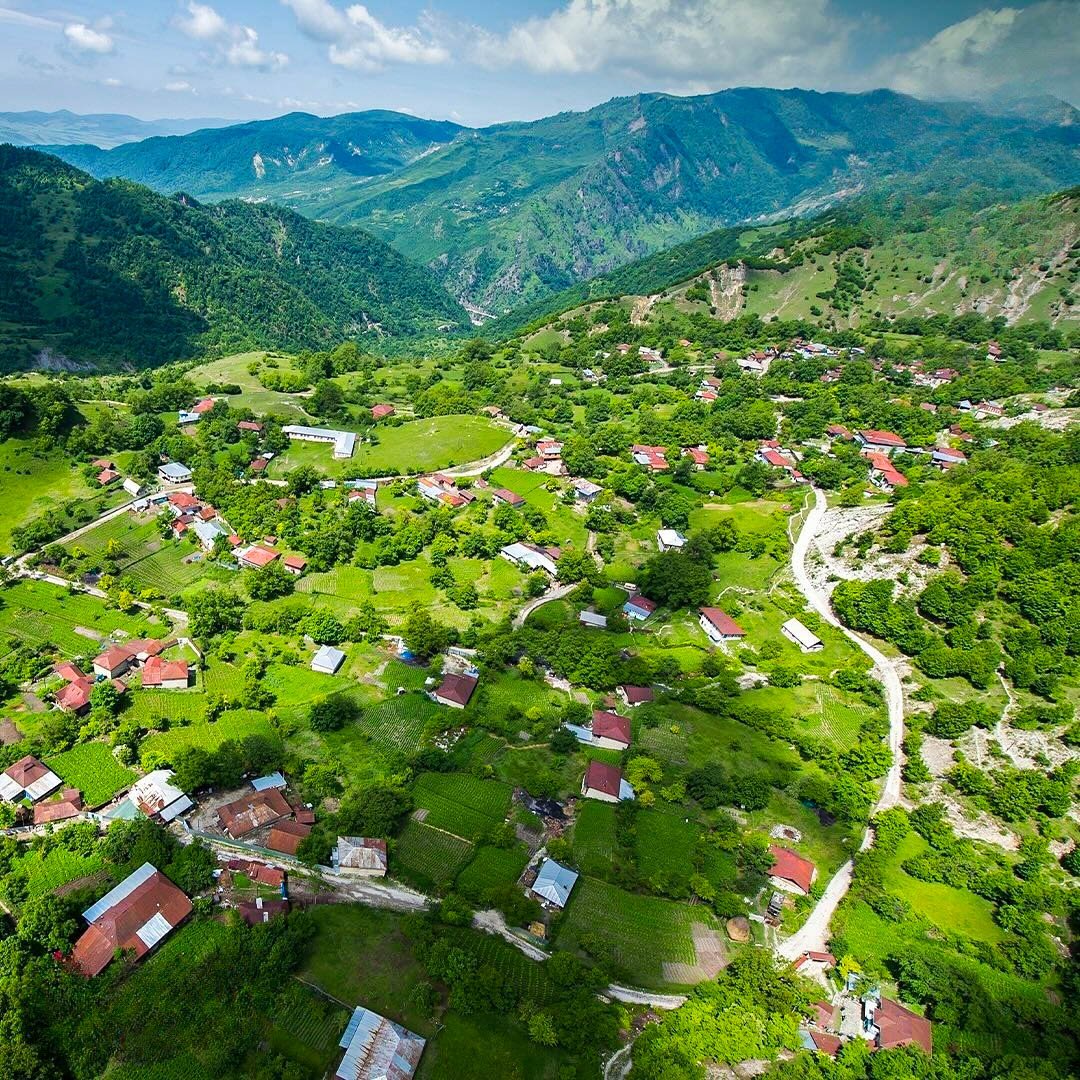
- Lahij village — cobbled streets, stone houses and a medieval water system
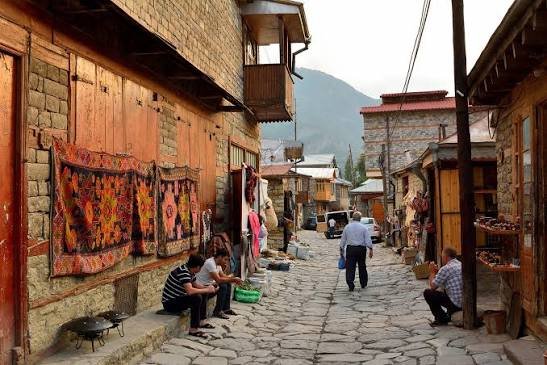
- Traditional copper workshops and craft shops along the main street
- Mountain road scenery along the Girdiman river gorge
Includes/Excludes
- Hotel pickup and drop-off in Baku
- Transportation for the full day
- Professional guide
- Lunch
- Entrance tickets
- Personal expenses
Important information
• This is a cultural and village-based tour rather than a hiking trip.
• Comfortable walking shoes are recommended — the streets in Lahij are cobbled, uneven and sloping.
• The mountain road includes narrow, winding sections; if you are prone to travel sickness, sit near the front.
• The itinerary may vary depending on weather and road conditions.
• Lahij sits at around 1,200 metres and is noticeably cooler than Baku — bring a jacket or extra layer, even in summer.
• Modest dress is required inside the mosque; women should bring a scarf to cover their head.
• Cash is useful in the village, as not all workshops accept cards.
Cancellation policy
Itinerary
Pick up from 191 Lev Tolstoy Street, Baku
Juma Mosque, Shamakhi
The Juma Mosque in Shamakhi was founded in 743 AD, which makes it one of the oldest mosques anywhere in the Caucasus. Its history is also a history of the city's earthquakes: the building has been destroyed and rebuilt several times, most recently restored and reopened after long reconstruction work. The present structure keeps the original three-hall plan — an unusual layout that predates most surviving mosque architecture in the region — under a pair of tall minarets. Your guide explains how Shamakhi served as the Shirvanshah capital and why so little of the medieval city survives above ground.
Lahij Village
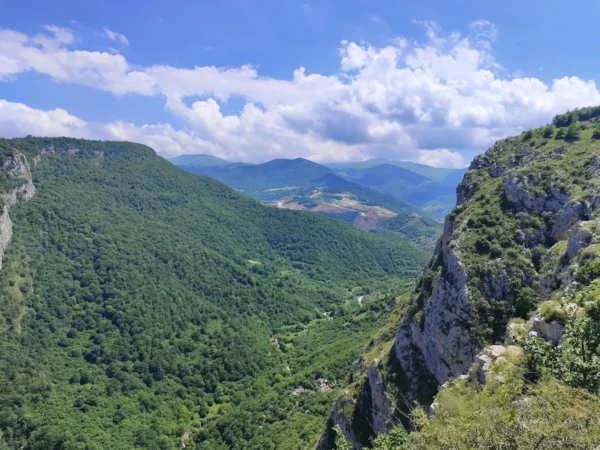
The approach to Lahij is memorable in itself: a narrow road cut into the side of the Girdiman gorge, with the river far below. The village sits at roughly 1,200 metres, and its main street is paved with river stones worn smooth by centuries of use. Beneath them runs a medieval drainage and water system that still functions — one of the reasons Lahij village in Azerbaijan is considered such an intact example of a mountain settlement.
Copper is what the village is known for. Workshops open directly onto the street, and the sound of hammering carries along it; the craft has been passed down through families here for generations and is inscribed on the UNESCO list of Intangible Cultural Heritage. Alongside the coppersmiths you will find carpet weavers, leather workers and knife makers, along with tea houses and small museums. There is free time to walk the alleys, watch the workshops and shop directly from the makers.
Lunch Stop
Lunch is not included, but the group stops at a local restaurant where you can order at your own cost. The mountain kitchen here leans towards grilled meat, dovga and fresh bread baked in a tandir.
Drop off at 191 Lev Tolstoy Street, Baku
Frequently asked questions
How far is Lahij from Baku?
Is Lahij worth visiting?
Is Juma Mosque in Shamakhi open to visitors?
Is lunch included?
What can you buy in Lahij?
Is this tour suitable for children?
What is the best time of year for this tour?
How large is the group?
Extra Services

Childcare services
Childseat
Drop-off service
Guide in Arabic
Guide in Chinese
Guide in Hebrew
Guide in Italian
Guide in Korean
Guide in Russian
Guide in Spanish
Pick-up service
Make enquiry
Have a question before booking? Message us to learn more.
Why booking with Tripstan?
You might also like...
Login to use
Private Gobustan and Absheron Tour from Baku – Mud Volcanoes, Fire Temple & Yanardag
Duration
Login to use
Login to use

Login to use