Loading available options...
Overview
- Tour Type:Private tour
- Language:Arabic, Chinese, English, French, German, Hebrew, Italian, Russian, Spanish
The route covers the Gobustan mud volcanoes, the UNESCO-listed rock art of Gobustan, the Ateshgah Fire Temple at Surakhani and the permanent flame of Yanardag, with the Bibiheybat Mosque on the way out and the Heydar Aliyev Center on the way back.
You travel with an English or Russian-speaking driver in a vehicle used by your group alone. A licensed guide can be added if you want the history explained in depth, and the price is set by vehicle category rather than per head.
Highlights
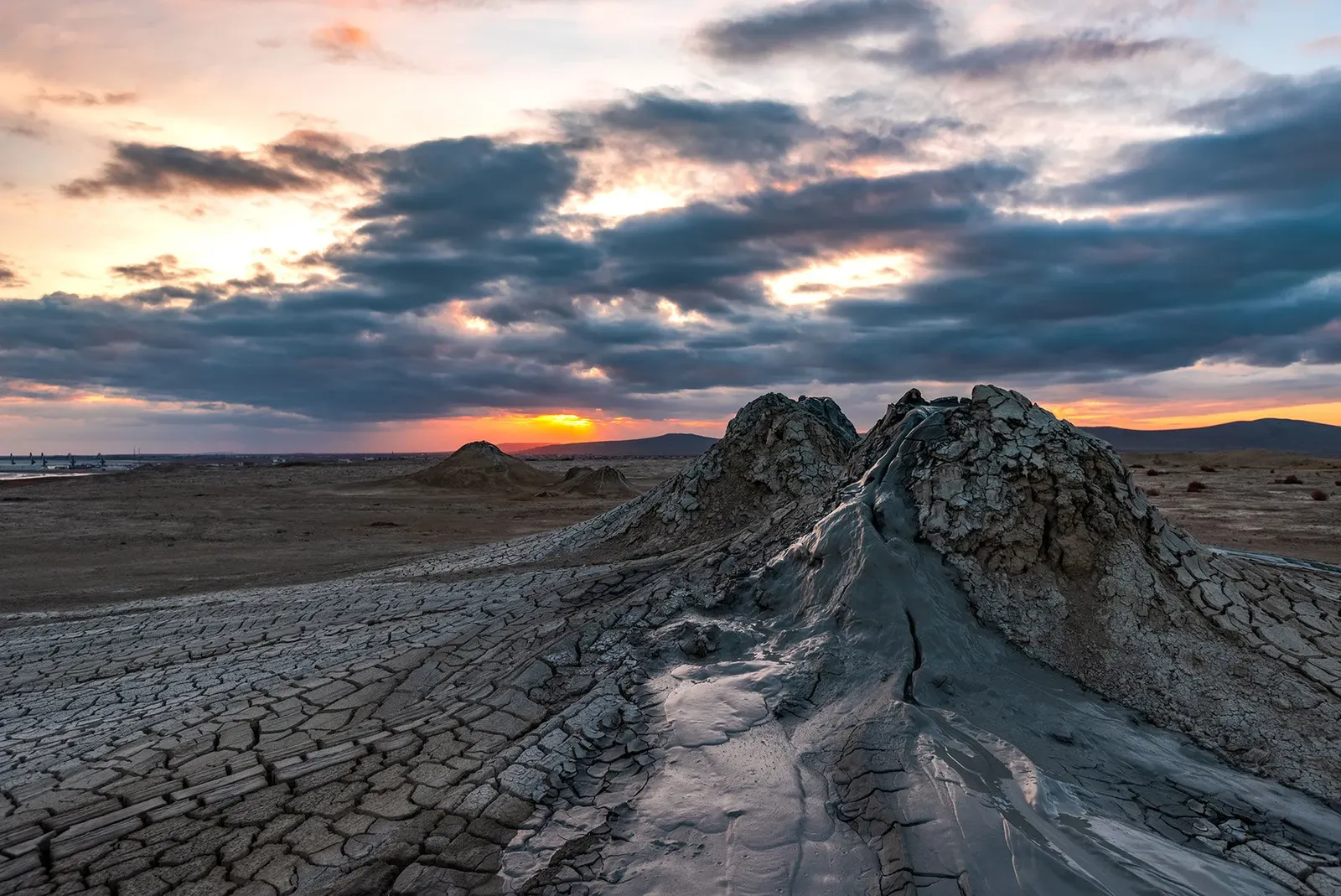
- Gobustan mud volcanoes — cold grey cones on an open plateau, reached by off-road vehicle
- Gobustan National Park — UNESCO World Heritage rock art and museum
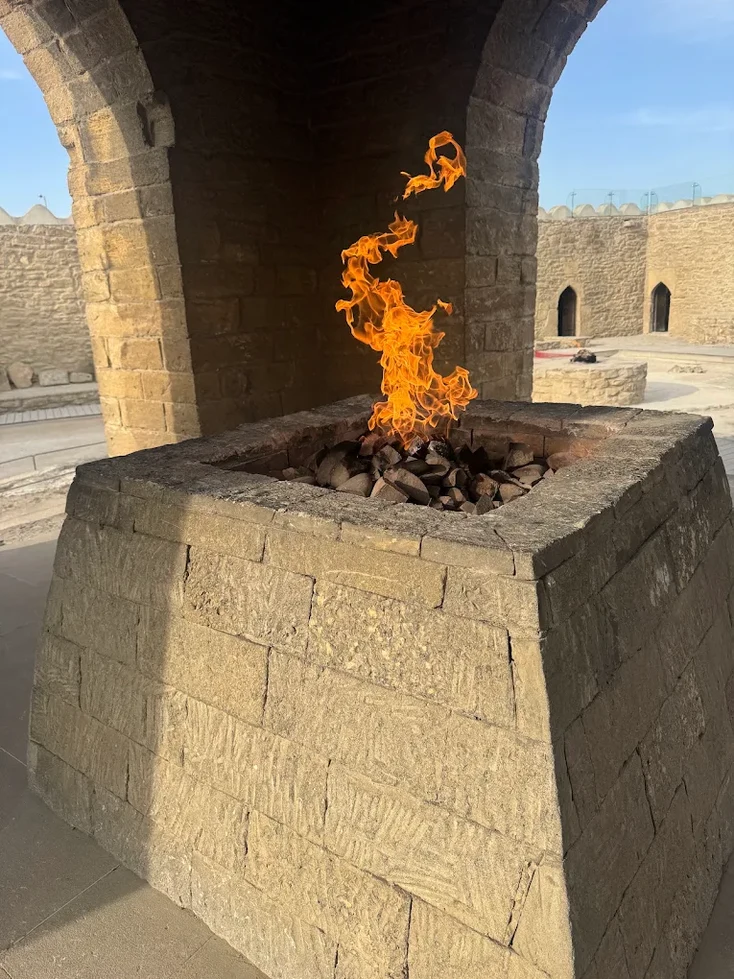
- Ateshgah Fire Temple — the temple of the eternal flame at Surakhani
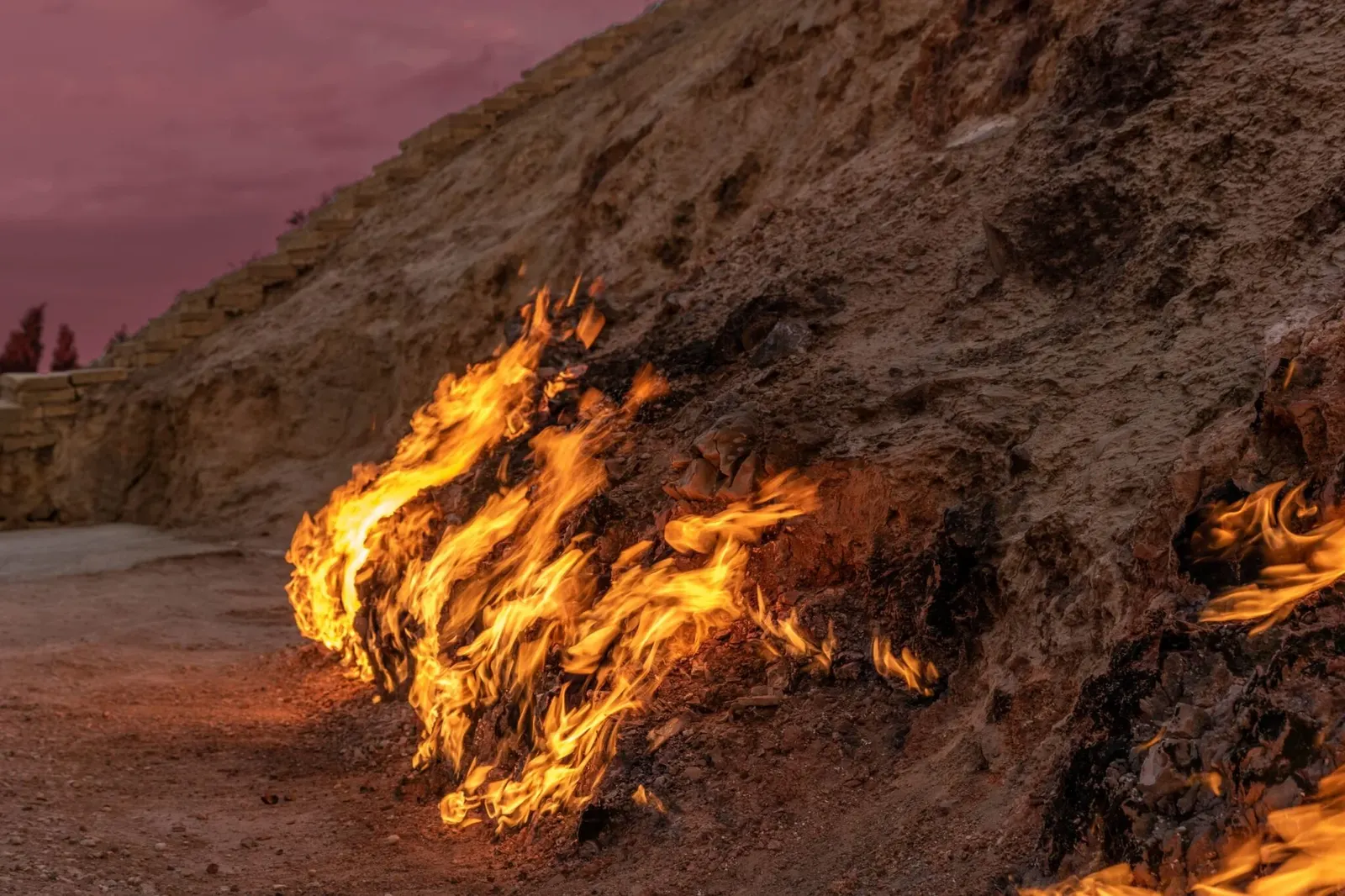
- Yanardag Burning Mountain — a hillside that has burned without interruption for decades
- Bibiheybat Mosque — domes above the Caspian on the coastal road south
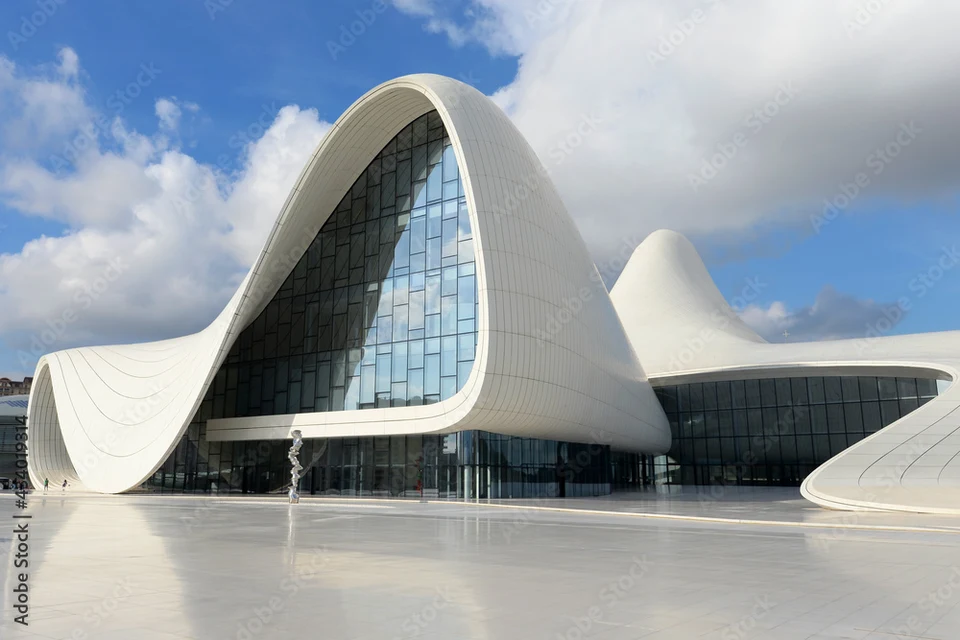
- Heydar Aliyev Center — photo stop, with the option of going inside
- Flexible timing, stop order and pace throughout the day
Includes/Excludes
- Private transportation for your group only
- English / Russian-speaking driver
- Hotel pickup and drop-off in Baku
- Entrance tickets
- Off-road transfer to the mud volcanoes (15 AZN per person, paid on site)
- Meals
- Personal expenses
- Professional guide (optional, extra charge)
Important information
• Costs paid on site (per person): Gobustan National Park — 10 AZN; Fire Temple & Yanardag combo ticket — 25 AZN; mud volcano off-road vehicle — 15 AZN.
• Prices are subject to change.
• Heavy rain can close the mud volcanoes. The access track becomes impassable when wet, and in that case the visit is replaced with the Gobustan Museum Complex (15 AZN per person, paid separately).
• The Heydar Aliyev Center interior can be visited if time allows, as this is a private tour. Tickets are paid separately.
• The itinerary may vary depending on weather and road conditions.
• Comfortable shoes are recommended, especially at the mud volcanoes, where the ground is uneven and sticky.
• Avoid light-coloured shoes and clothing at the volcanoes — the mud stains.
• There is almost no shade at Gobustan; bring water and sun protection in summer.
• Modest dress is expected at Bibiheybat Mosque, and women should bring a scarf for their head.
• The total price is based on the vehicle category (Sedan, Vito, Sprinter), not per person.
Cancellation policy
Itinerary
Hotel Pick-up
Your driver collects you from your hotel at the time you have chosen. The road south runs along the bay and past the oil fields that built the modern city — a landscape of pumpjacks and derricks that is worth looking at properly rather than sleeping through.
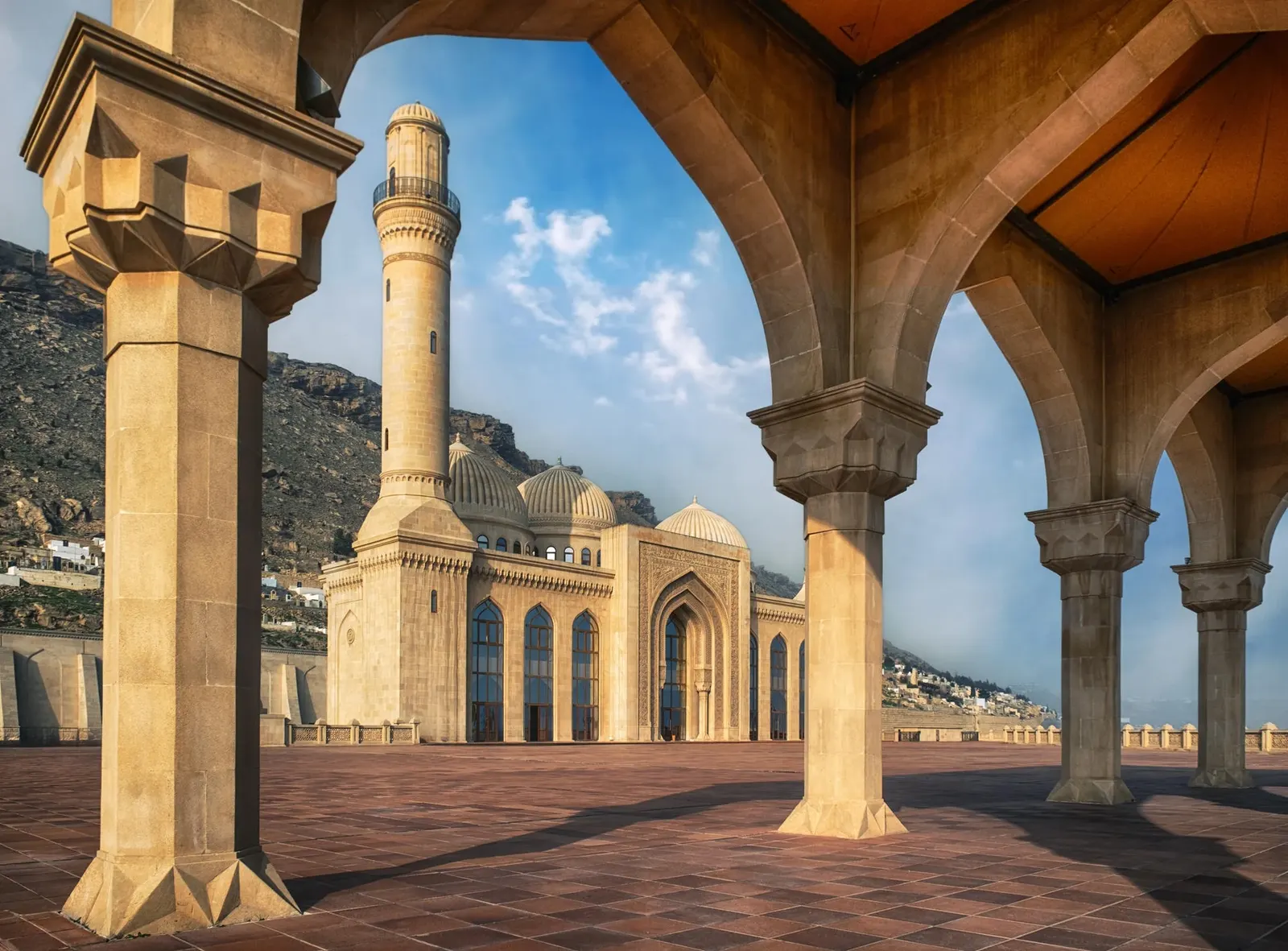
Bibiheybat Mosque
The Bibiheybat Mosque sits on a rise directly above the water, its turquoise and gold domes visible from the road long before you reach it. It remains an active place of pilgrimage rather than a museum, so the atmosphere inside is a working one. The terrace behind the mosque gives the best view over the bay, and the whole stop takes twenty minutes unless you want longer.
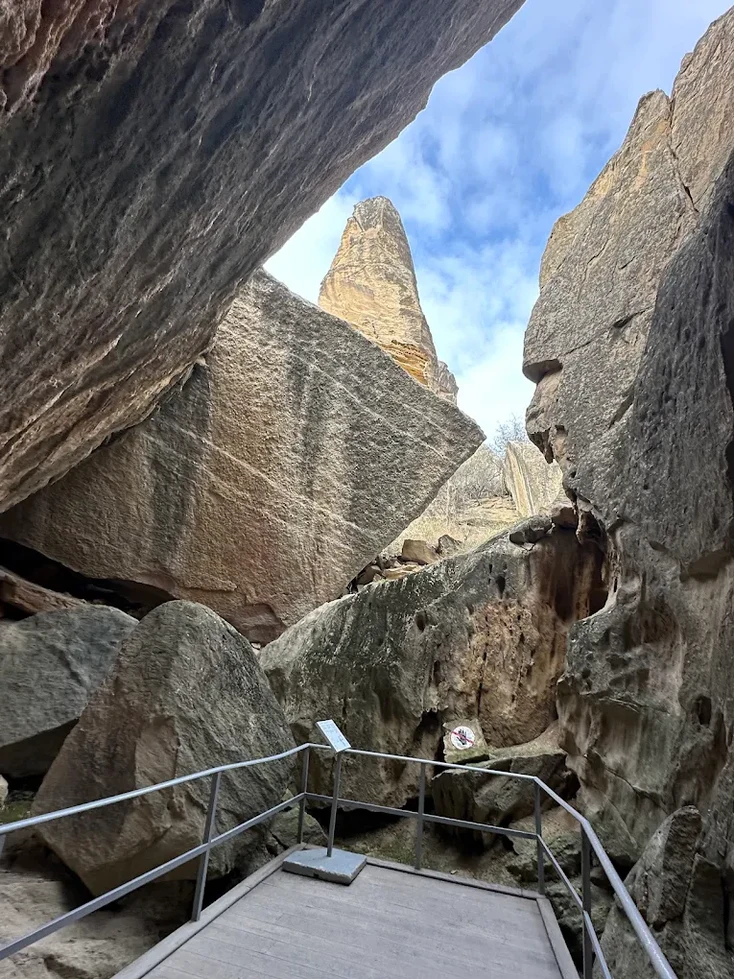
Gobustan National Park
Gobustan National Park is the stop most people underestimate. The carvings are spread across a field of collapsed limestone boulders on the Boyukdash hill, and following the marked trail among them takes time — the images were cut over an enormous span, from the Stone Age through to the medieval period, so what you are looking at is layer upon layer of different hands and different centuries. Wild horses, goats, gazelles, hunters with bows and long rows of figures in what appears to be a group dance all appear on the same rock faces.
The Gobustan National Park museum at the entrance is worth the half hour before you walk up: it dates and orders the carvings, and it explains what archaeologists found in the shelters beneath them. This is where a private schedule pays off — you can go through the museum properly instead of being called back to a vehicle.
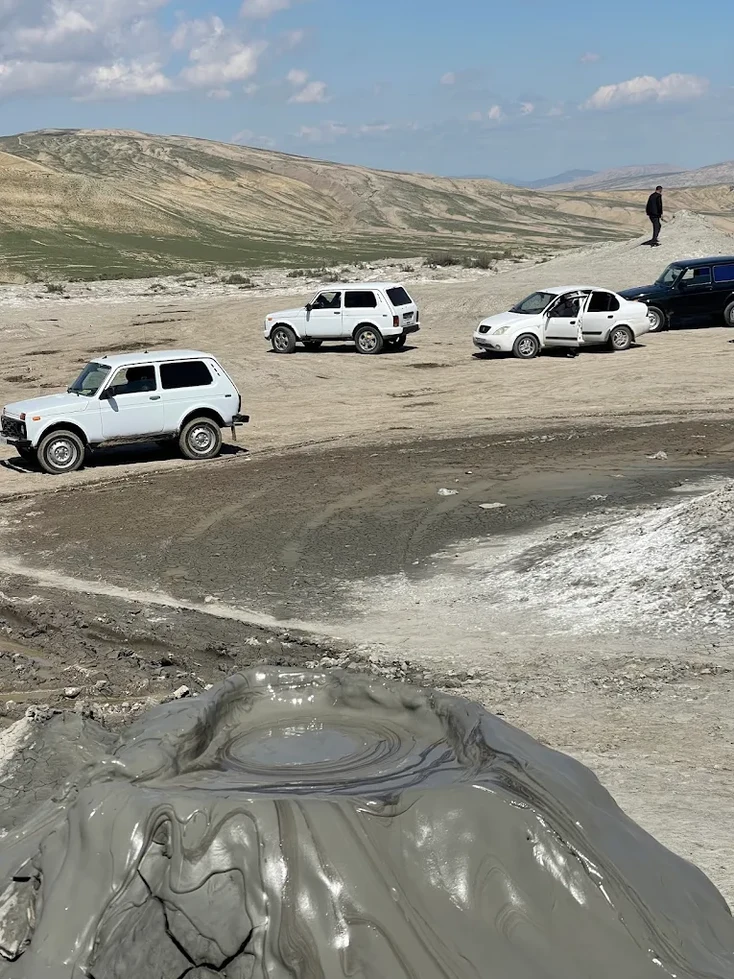
Gobustan Mud Volcanoes
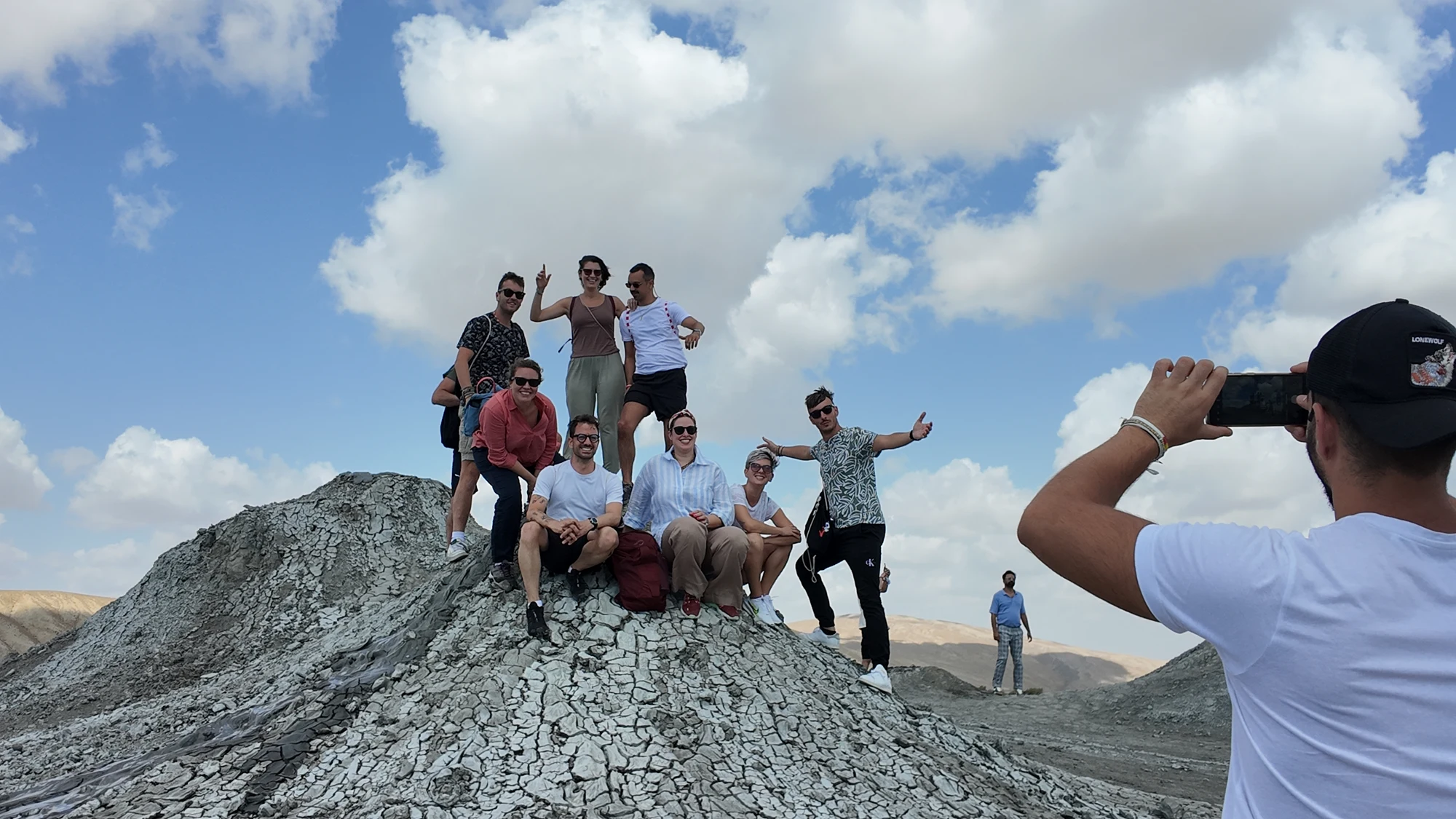
The volcano field lies a short distance from the park, but the track to it is unpaved and rutted, so an off-road vehicle takes over for the final stretch. On this private tour the transfer is charged separately at 15 AZN per person and paid on site.
What waits at the top is unlike anywhere else in the country: a bare grey plateau covered in low cones, each one slowly pushing out cold clay and belching gas bubbles that burst with an audible pop. No heat is involved — the mud is driven up by pressure from deep underground, not by magma — and you can stand right at the rim. Azerbaijan holds close to half of all the mud volcanoes on Earth, and this is the most accessible place to see why that statistic exists.
Ateshgah – Fire Temple of Baku
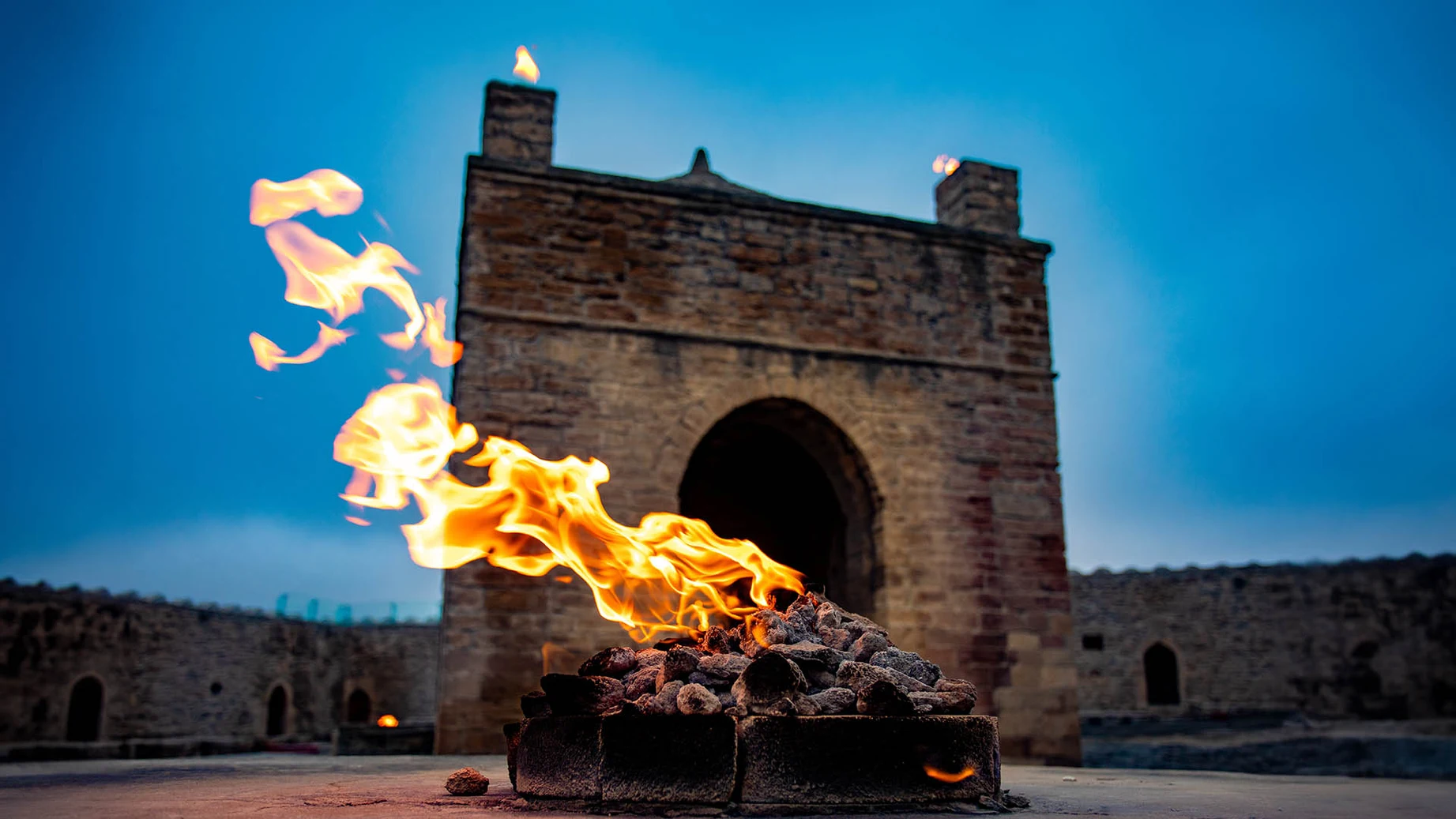
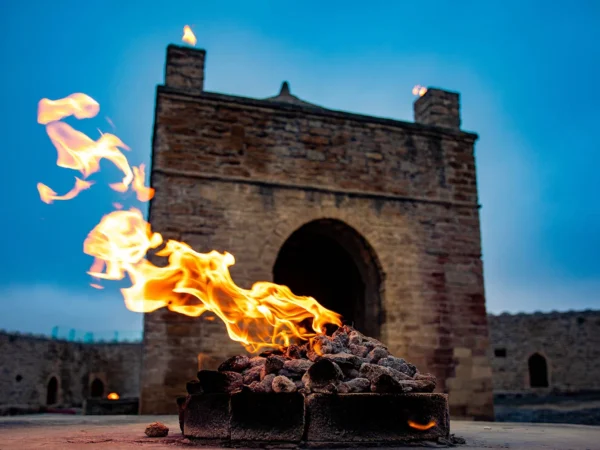
The afternoon crosses to the eastern side of the peninsula and the village of Surakhani, where the Ateshgah Fire Temple stands behind a low pentagonal wall. The layout is that of a caravanserai — small cells arranged around a courtyard, with a domed altar at the centre. Indian merchants and ascetics travelling the trade routes lived in those cells and tended the flame at the altar, which burned on a natural gas vent until the underground supply was exhausted; it is fed by a pipe today. The carved inscriptions above the doorways record who built each cell and when.
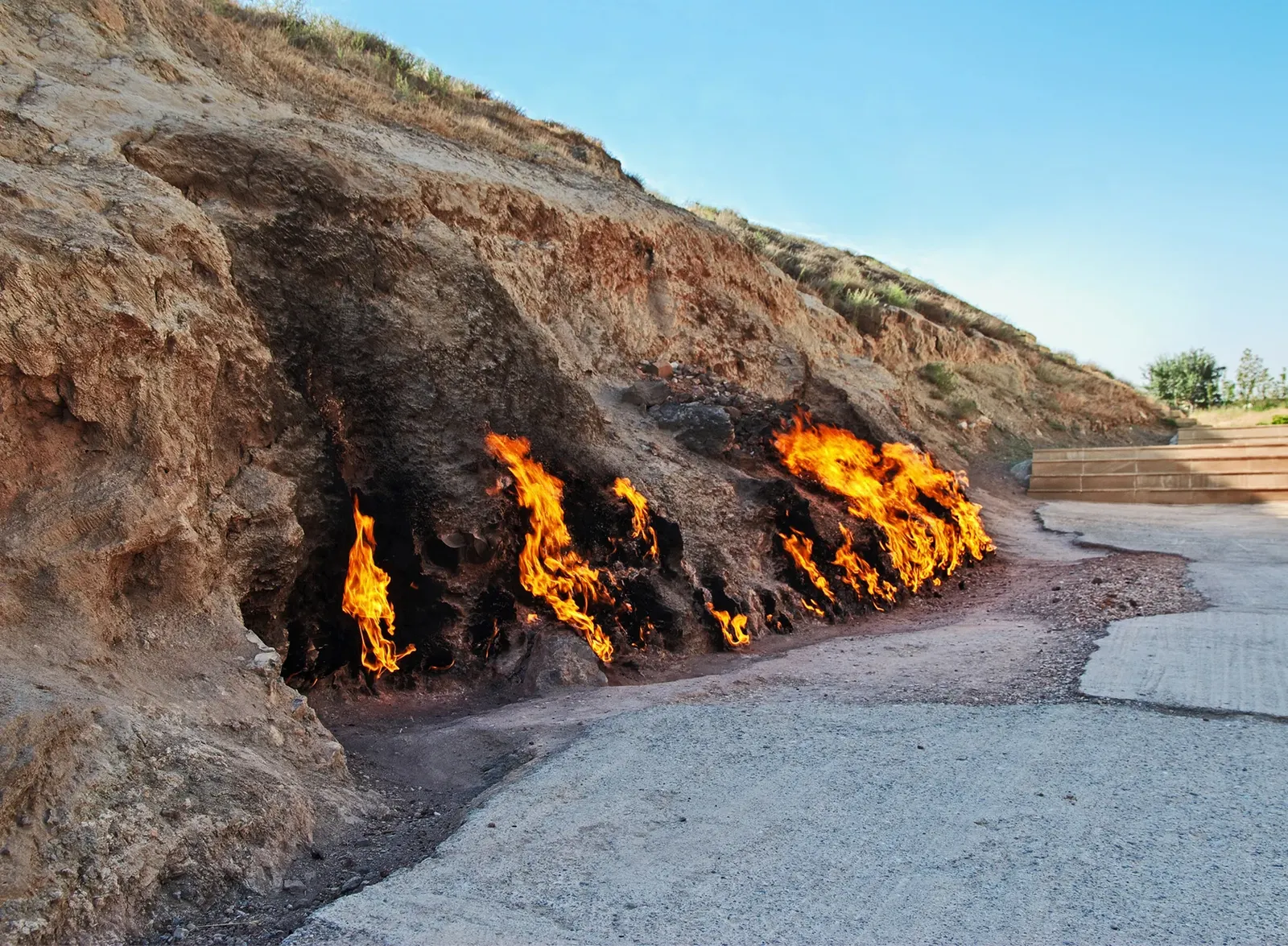
Yanardag – Burning Mountain
Yanardag needs no explanation and very little time: gas escapes through the sandstone at the base of the slope and burns in a continuous line of flame that has never gone out. There is a viewing terrace and a tea house beside it. It is the shortest stop of the day, and it is also the one where a flexible schedule helps most — arriving in the fading light rather than in full sun makes an enormous difference to the photographs.
Heydar Aliyev Center
The route ends back in the city at the Heydar Aliyev Center, Zaha Hadid's white, curving landmark. For group tours this is strictly an outdoor photo stop. On a private tour you have the option of going inside if time allows — the building houses exhibition halls and a collection of historic vehicles, and the interior is as striking as the façade. Entrance tickets are paid separately. The Heydar Aliyev Center park in front is where most people take their photographs.
Hotel Drop-off
You are dropped off directly at your hotel at the end of the day.
Frequently asked questions
Is this a fully private tour?
How is this different from the group tour?
Is the price per person?
Is an off-road vehicle required for the mud volcanoes?
What happens if it rains?
Can we go inside the Heydar Aliyev Center?
Are entrance tickets included?
How far is Gobustan from Baku?
Should we add a professional guide?
Can we customise the itinerary?
Extra Services

Childcare services
Childseat
Guide in Arabic
Guide in Chinese
Guide in English
Guide in Hebrew
Guide in Italian
Guide in Korean
Guide in Russian
Guide in Spanish
Make enquiry
Have a question before booking? Message us to learn more.
Why booking with Tripstan?
You might also like...
Login to use
Login to use

Login to use

Login to use